

Unabridged: A Conversation Between Friends with Jason Reynolds and Hanif Abdurraqib - Transcript
In this bonus episode, we’re heading down south to Jackson, Mississippi to join friends of the pod, Jason Reynolds and Hanif Abdurraqib, at the Mississippi Book Festival! Together, we celebrate each other's work, fight over the greatest band of all time, and then debate the state of music and literary criticism.
TRANSCRIPT
Traci Thomas 0:00
Hey everybody. It's me, Traci Thomas, host of the stacks, and I am here today with another bonus episode of the stacks. We call it The Stacks Unabridged. And today I am really excited to share with you my conversation from the Mississippi Book Festival with Hanif Abdurraqib and Jason Reynolds. The panel is titled A Conversation Between Friends, and that's just what you're going to hear talking about each other's work, music criticism and a very important question about the greatest band of all time. Okay, that's enough of that. It is now time for my conversation with Jason Reynolds and Hanif Abdurraqib at this year's Mississippi Book Festival.
Traci Thomas 0:37
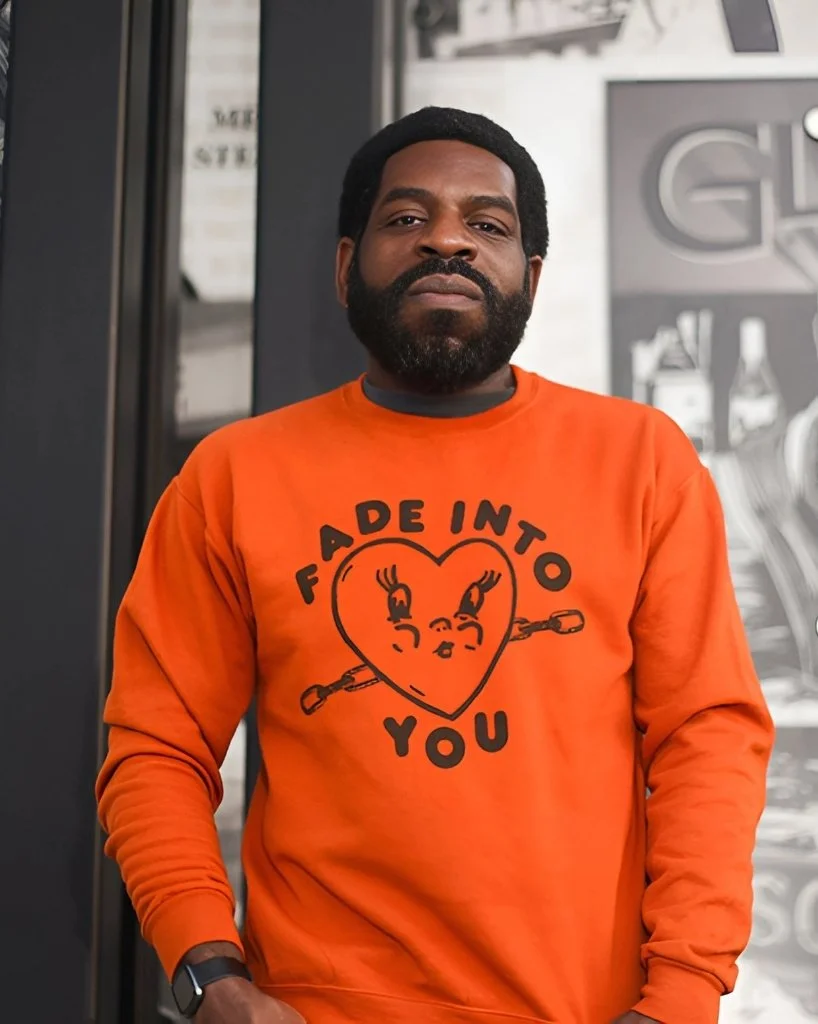
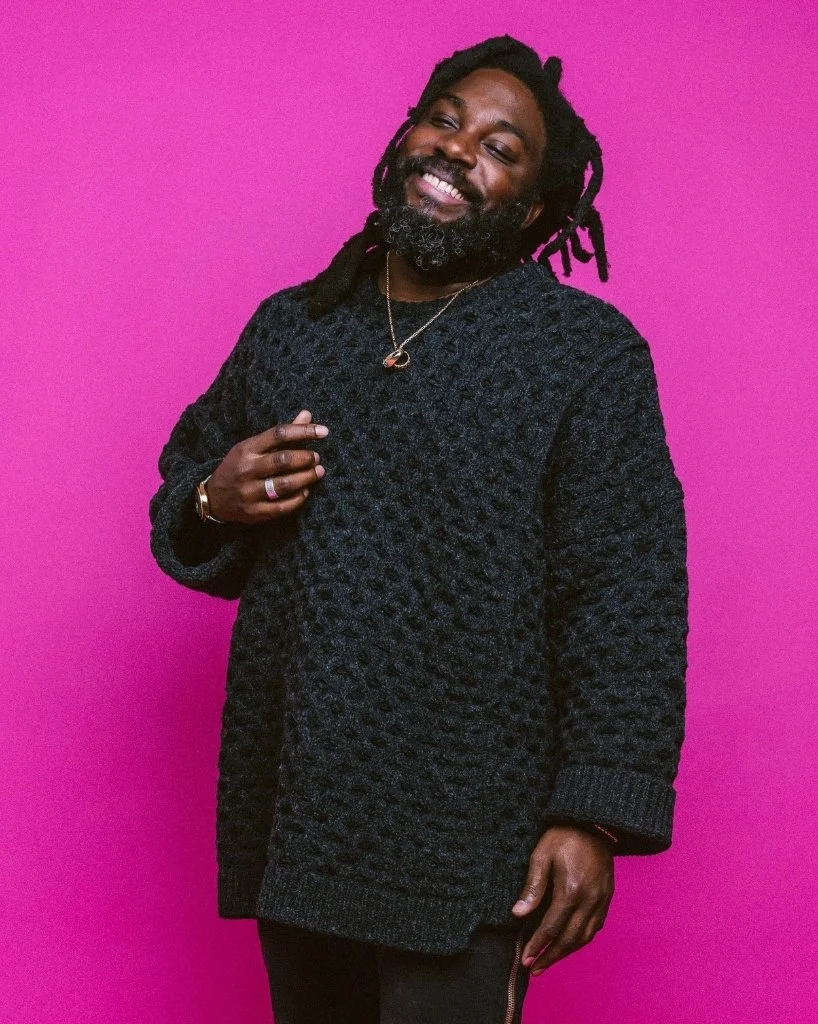
Thank you. Thank you, and thank you guys for clapping for all of my three things. I love you, so I get to introduce these two lovely humans. And because I am mortified by all introductions, I'm gonna just give you a very casual intro. So this is Jason Reynolds. You already know him. He is a beloved by me and everyone in this room, apparently, author. He writes books for young people. If you're not familiar with him, yet your children certainly are. His most recent book is 24 seconds from now. It came out, and he's got a forthcoming book called Coach, coming in October, which is the fifth book in the track series. So Ghost, Lu, Patina, that's out of order, and Sunny now, Coach, it's purple. So that's Jason. He's also the poet laureate, or the young people's laureate you used to be. It's a big deal. So that's Jason. And then next to Jason is Hanif Abdurraqib. This is a conversation between friends, and since Kiese couldn't be here, Jason and I said, Well, let's ask our other friend, Hanif. We cornered him in the hotel lobby and said, Do you want to be our friend? And Hanif is a author as well. His most recent book is there's always this year. He's also a poet. You might know him from his book a little devil in America. He does everything, and that's an Eve, and he's from Columbus, Ohio, and he has a forthcoming book of poems next year. Okay, I actually want to start. I want to start with the books. We're going to talk a little bit about books. Then we're just going to talk, because our prompt was a conversation between friends, and usually we don't talk about the books, because we're friends, but we're going to do a little book, then we're going to do the friend stuff. And here's where I want to start. Both of you have your next books are sort of going back to previous stuff you did. You published poems early in your career. You published this track series years ago. You've both decided to go back. A, why and B, what is it like revisiting things that you used to do after having sort of gotten to be Hanif and Jason?
Jason Reynolds 3:14
I don't think I ever was. I never wanted to do this. It's weird, like I don't. I wrote the track series so long ago, Coach, I think, came out in 16, ghost. I mean, ghost came out in 16, I think. And people have been asking, right? The books came out, they did what they did. And people like, Yo, like all the kids want coach, or teachers want coach, or parents want coach. And I kept trying to explain to people that if I write coach's story, then all the characters that you come to love won't exist because they weren't alive when Coach was a kid, right? And because of the category in which I write, typically, I would have to age coach down. I would have to bring coach back to, like, 1314, years old, in order for this to work. And then life happens, right? And you're like, man, you know, it's kind of itching at me. I can feel sort of the story germinating. And I'm like, All right, well, what would it be like to sort of explore 1988 right? What would it be like to try to bring young people? Because it's tricky to do this with kids, because sometimes this goes well, and sometimes they're like, We don't care about what happened in the past. We want everything. I'm like, either I want things way in the future or I want things right now. And it can be tricky to sort of navigate the past and figure out what pop culture references to use, what they won't they care about, right? So luckily, Ada, I can talk about Jordan, right? I can talk about Back to the Future, right? I can talk about Carl Lewis, right? These are sort of the touch points that I can talk about the crack epidemic in a way that sort of helps us understand who these kids are, that they know, right, and what has happened to their parents and their communities and so forth and so on. You start to sort of see those things. And so I think it'll I hope it works. I like it, which at some point is all that matters, right? But I it really was a struggle for me to make that decision, because I. Haven't done anything like it, and is it too far gone? The series has been out for a long time, and to add a fifth book, five years after the last one, seems like but whatever, here we are.
Traci Thomas 5:11
I'll read it. It'll be fine. Well, we're all gonna read it, probably. What about you, honey?
Hanif Abdurraqib 5:18
Well, first off, sorry I'm not as disappointed as you are that I am not Kiese. I share and you're disappointed that I'm not Kiese. Also. This is the anniversary of the churches being laid it said, then I say September 11.
Jason Reynolds 5:33
September 14.
Hanif Abdurraqib 5:35
Oh shit.
Jason Reynolds 5:35
Yeah.
Traci Thomas 5:36
That's tomorrow.
Hanif Abdurraqib 5:37
That's tomorrow.
Jason Reynolds 5:38
It's tomorrow.
Hanif Abdurraqib 5:39
1882
Traci Thomas 5:42
Can you do that math?
Hanif Abdurraqib 5:43
I can do the math. Who built the church?
Jason Reynolds 5:52
You have all these sweet southern folk. Yeah, custom, these people, church.
Hanif Abdurraqib 5:59
I don't think I ever stopped writing poems. I think, like, I don't mean that as a braided thought. That was a separate thought from I got it, you know, like my first that was one of those things where, like, the black people responded in one wave of things, and everyone else in the room was like, Oh, wait. My first two books of poems. You know, my last book of poems go out in 2019 for your disaster. But since then, I don't believe I've ever stopped writing poems. There's always this year. It's kind of like a book length poem, if I think about the way that I was drawn to poems, and what excites me about poems, the poem is putting a filter of beautiful language over what some would consider the mundane. And so that's kind of always been the project of the work. There's always, this year has like, a poetic form built like, literally, there's like, there's like a couple at the end, and there's like a sonnet in there's sonnets in the middle, and there's, you know, a little devil in America has poems in it. And so I think the work of taking to a book, like a book of poems, is different for me and challenging, but fun. Fortunately, a disaster was a hard book to write, like it really messed me up. Like it really messed with my head for a long time, and so so much of my avoidance of the poem, making a book of poems was like, I know what it's like to make the kind of book of poems I want to make, and I don't know if I can do it like, I don't know if I can actually emotionally do it. And in this book, actually is significantly more challenging than a fortune. Fortune three disaster is like run of the mill breakup book, you know, it's like stag sleep. You know it's like your run of the mill divorce book, maybe not a run of the mill. I don't think it's run of the mill because, like most of like most divorce books by men are kind of, you know, they're kind of punishing. That's a more critical way of saying, What if Fortran says that starts trying to be a little bit more introspective. But the book I'm writing now, I mean, I'm always looking up at your jumping is so much of a book about the bewilderment of my own survival. It's like I'm looking back on all the people who I've buried before. I turned 25 and kind of, kind of looking at my own self in the mirror, like, how are you still here? And that's a much harder book to reckon with, but I'm having an incredible time. It's going to be very bizarre when the poems begin to trickle into the world, because I think people are going to be like, these are so sad. But I'm having the time of my life. Like, really, I'm having the most fun I've ever had writing poems. And I actually think that is indicative of where my heart is now, and how willing I am to be in this sense of overwhelming bewilderment and say it's weird that I'm still here. But isn't that kind of great?
Traci Thomas 8:33
Yeah. Do you guys have favorites of your own things? And do you ever tell people what your favorite thing is? Favorite Books? Yeah, sure. Like, Favorite work that you've done? Yeah? Do you have, like, a favorite book you've written enough and you've written a lot, even more than enough? I mean, don't stop but do you have a favorite? Like, I know people always come up to you and they're like, A Long Way Down, or, like, There's Always This Year, that's my favorite but--
Hanif Abdurraqib 9:03
A Long Way Down is my favorite Jason book.
Jason Reynolds 9:01
Definitely not mine, though, not, no.
Hanif Abdurraqib 9:03
That's the way it is, though.
Traci Thomas 9:03
That's what I'm wondering. That's why I want to know what your favorite is.
Jason Reynolds 9:07
Yeah, my favorite is easy. There are two that I love more than all the other ones, and that's book two and book three, which is Boy in the Black Suit, and As Brave As You and they're the quiet, they're the ones that the critics call quiet novels. They've done the least amount of selling and make the least amount of noise. And I think they're the best written and the most special to me.
Hanif Abdurraqib 9:25
The most normal books. Yeah, I think the book of mine that people seem to love the most is not is maybe my least favorite of mine, which is--
Jason Reynolds 9:25
My favorite is Last Joint.
Traci Thomas 9:25
I know that's his favorite. My favorite is--
Jason Reynolds 9:26
To me, that's a masterclass.
Hanif Abdurraqib 9:27
Yeah, I think there's always this year. I think my favorite is There's Always This year. It's only because I think I didn't know how to write it until I wrote, you know, I think to see that book come to life, into really fight with it. That book was initially I did this. I said this when we did our talk. That book was initially flipped. It was initially the clock. Everything worked backwards in I'll never forget I have the back. I feel like I the best editor in the world. My. Let who's just I love Maya Millett editing so much that when Maya edited a little devil in America freelance she was like, freelance editor, I found, I was like, I would like to have a black woman editor work on this book. I just found Maya, and the way we worked together was so brilliant that when Random House was like, we would love to bring you back for two more books, I was kind of like, you have to hide, like you have to put this woman on payroll, you know? I mean, otherwise I don't know, you know. And so it was great to take there's always this year to Maya in this way, where it began, you know, in this reverse way, and the countdown clock was happening, and she said this thing to me that I'll never forget, was, like, you wrote a very hard book, like, it's, can't believe that you pulled this off. Let's make it good, you know. I mean, like, there's difference between writing a challenging book and writing a good book. And I didn't know that before. And there's always this year was really fun to say. I felt so proud of myself when I wrote the hardest book I could write, and then I read it, and I was like, but this is for no one but me. And I would love to craft this book in a way that makes it for everyone. And the bridge between the book for me and the book for everyone was a really fun one to cross. I also, I do love Go ahead in the rain, though. I really love that book too. That book means a lot to me because that was the first, like, long form non fiction project I wrote that wasn't just like a bunch of essays. And that was cool.
Traci Thomas 11:13
Why is there's always this year your favorite of his?
Jason Reynolds 11:15
I think it is the height of all his powers. To me when I think of a need like, and I always tease when we did our talk back then, I was like, there's like a thing. There's like a thing, right? And I don't think that it's tell I don't think it's a telegraph thing, but I think it's a thing that, once I've read all these things, read so much of your work, it's like, oh, there is this sort of like, how do we connect these disparate ideas, or seemingly disparate ideas? How do we metaphorize things that we would normally not metaphorize. How can we figure out how to take male pattern baldness and use it as a way to discuss the passage of time, right? Like, that's a really special thing that he's really good at, right? Anyone who's read enough of his work, you'll notice that, like he's saying he'll there's a there's a mundane thing that we see every single day that he's going to turn on its head, just so to have us ask ourselves questions about much bigger things. And to me, for my own personal taste, that is the sign of the writers that I like, right, like, like to be a little bit manipulated. I know we talk about that word in like this way that like the writers manipulative, and it's not good. I'm like, no, no. I want this to be I want to experience the Sixth Sense 20 more times and not see it coming, right? I want I like that like I and so that's the reason in this particular book, because I know he's a poet, and I know he's all these other things. And I know sort of his passion for music, passion for sports, his passion for Ohio, his passion for Ohio wins, right? And his and him making sure that people know that, like, watch your mouth when you talk about my home, because he's done that to me. When I first, when I first met honey, I made a joke about Columbus, and it was very, very quickly he let me know that that wasn't a thing. And, you know, talked about all the things that you know that Columbus and to me, it was like, I like people who ride for their ride, for your set, right? Like, I like that. And so all of that is in this book, right, heartbreak and like his stuff with love and grief and like all the hiddenness in one particular, like the height of it all in one particular book. I think that, to me, was like, I had, I hadn't seen anything like it, and I gushed about that. But still, I think this is like the special, the most special thing to me that he has written,
Traci Thomas 13:29
You got a shot out to me.
Jason Reynolds 13:30
I did, and everybody else that was around me, this is the book.
Hanif Abdurraqib 13:34
Let's move on.
Jason Reynolds 13:35
No, no, no. You know what else? You know what else? Let's not move on, because you know what else is that we is that I also think it's okay for us to have these moments, and I think it's okay I don't want being on this end, I know, but we need to make sure, brother, we don't always make it. So while we have our moments of breath, it is important that we accept these moments like it's important one day, you or we gonna be out of here. And I would hate for there to be a moment these things weren't said. It's very important to me.
Traci Thomas 14:07
Well, let's talk about you then, why is a long way down your favorite of Jason's books?
Hanif Abdurraqib 14:13
So I actually don't know how much I feel beholden to the broad scope of, like, young people's literature, right? And some of this is because I grew up with poor, like real poor notebooks in my house with my young people's literature. I read women a Brewster Place, and I was like, 10, you know? I mean, because this is what we had in the crib, and my mom was like, This is what I got. And so I think actually, what Jason does not only in that book, but through his whole body of work, but what happens most, I think, effectively, in that book, is that he is demanding a lot of the reader as though they are any age at all, like he's demanding the same thing out of a teenager that he's demanding out of a 40 year old. And there's ways that that happens. The book has this really musical propulsion to it, like a really musical a real musicality in the language. But also, I. Yeah, I'm a big pace, like a pace is really important to me, you know. And I really don't love a book that is beautiful but has no propulsion. And I really love Jason's work because, and also because you are a poet as well. You understand that we have to get somewhere in a very small amount of time. And there's a way that that doesn't always translate to a longer form body of work, but in all of your work, we are getting somewhere in almost every sentence. And that's really hard to do. It's really hard to pull that off for a full book. And I actually think it is a manifestation of this kind of close attention to detail and remembering that you have, you know, like I feel like, even in our conversations, you're remembering small things you know, or like, you're building an archive of small things, if earliest, when you talk about Ross gay, like this is very rosque thing too, where it's like you're building this archive of moments, not because you are trying to hold them against someone in the future, but you're actually trying to build something that is moving us forward and forward and forward.
Jason Reynolds 14:14
Thank you, brother. I appreciate,
Traci Thomas 14:49
Yeah, well, I'm gonna say nice things now, but I have different favorites, because I'm a contrarian. My favorite of yours is a little devil in America, specifically, two essays that I think about more frequently than I should admit, the give me shelter. Have you guys read a little devil in America? No, yes, okay, well, I'm sure they have it on sale here, you should certainly get it. But there is this. The thing that I this is the reason this is my favorite essay, and also the Whitney Houston one, but for a different reason. We just talked about talking about the Whitney Houston one earlier, which we're gonna get to. But the reason that I love the Gimme Shelter essay, and what I think that you do better than anyone I've ever read is that you make me hear a song that I know in a totally different way, like, how many times do you think as a human being alive? I'm almost 40, I've heard give me shelter. I had never heard where her voice cracks. I'd never noticed that. And in this, in the most recent book, you do it with the my girl, when we did our event, I made the sound guy play the song so that everybody could, I made him read it, and then I made them play it so that you could hear the way that you hear music. It just, it's revelatory to me, because it's such a reminder that we're all seeing and hearing art in different ways. And I just, it's so refreshing. And then my favorite of yours, I think you know is look both ways. The stories, the kids, the walkers. I don't feel like people are talking about look both ways. Enough for me, personally.
Jason Reynolds 17:31
I think it's the best written book. It's so good me.
Traci Thomas 17:34
It's about kids walk to school, interconnected short stories. Story number two?
Jason Reynolds 17:40
There's there's no cuts, the sprinkles, yeah, no one knows what you're talking about. Nobody knows what I'm talking about.
Traci Thomas 17:45
You need to, okay, who does know what I'm talking about? Okay? Everybody remembers Story number two, okay, you can't but, but both of you do the detail, but the humor. It's like you both are able to do these things that are big, heavy lifts, but it doesn't feel like that for me, the reader, and I think to your point about manipulation, you both are good at manipulating me into enjoying being with you, because there's always this year and a little devil in America. And all of your books actually are hard, like it's not easy to read your stuff, like you require a lot from us. And yet, I'm so happy to be there. And so I feel like, you know, obviously, I talk about books all the time, and one of the things that I think about a lot is like, how can we make people love books? Obviously, not you guys. We're all at a book festival on a Saturday, you know, like, it's like, this is not the audience for this conversation. But I am thinking about it because I want other people to get to experience you guys and everyone else who's writing great things. And I think what you all are doing by bringing in the joy and the in the humor with the craft is that you make it really easy for me to say, hey, person who doesn't read, I think you'd really like a little devil in America. And that, to me, is such a gift, because you make my job easier, and if you do something nice for me, I love you.
Hanif Abdurraqib 19:11
I appreciate you saying that we're funny. I think I am funny, and I don't get enough credit for being funny. I don't think you do. I think people read my work and they're like, What a sad but also, I mean, we're all friends who in here is, like, pretty depressed, like, in a clinical sense, are you also like, keep your hand up if you're like, simultaneously depressed and also the funny friend, there's a very clear, like, arc between those two engagements. I think the funniest people I know are also the people who I know who are pressed up against the world in the most raw and uncompromising way. And so I think, yeah, absolutely, absolutely. Because you figure out, you figure out at early, at least, I figure out an early age, that the way I could get out of fist fights, like I could fight, but I didn't want to fight, but I could play the. Nothing's better than everybody else, and that presented a different kind of fear in other people. You know what I mean? Because, like, yeah, you can win a fight, that's great. You've won this physical competition, but you could be embarrassed for the rest of the year. You know what I mean. And that's a little bit more damning. So I appreciate you acknowledging the fact that I'm a very, very funny person and incredibly charming as well.
Traci Thomas 20:21
Very charming, very funny. Think you're great. Please don't make fun of me. Thank you. Okay, earlier today, we were on a walk coming here, and Jason had a question for Hanif that I'd like you to ask again in front of all of these people, and I'd like you all to just respond organically. Okay, just whatever comes to you. Go ahead.
Jason Reynolds 20:42
Okay, my question said Niamh, which he promptly shut down. But my question said he was is the Isley Brothers, the greatest band of all time, right? Which is my right? But here's the thing I see, Cree is shaking your head, no, but let me explain what my argument. Can I? Can I thank you? Can I at least argue the point.
Jason Reynolds 21:00
Cree?
Traci Thomas 21:00
Go ahead, after you know.
Jason Reynolds 21:00
You know what it is, is that I don't think people really understand. I don't think people know their body. People don't know the body of work. Yeah, when you think the Isley Brothers got their first hit, Cree, since you nodding your head, close, but yet, close, close. But in 1959 right? And so in 15 and 59 and so my argument was basically that, like, this is a band who, by the way, whose music, at least they hit, which is like 30, live in the zeitgeist in a really interesting way, most of which we don't even know they made, right? They just kind of live amongst us, and we don't know it's then them. And it started in 59 we're talking five decades. And he said, Yeah, but you got to deal with the 80s. But then he also said, but most black musicians at that time struggled during the 80s.
Hanif Abdurraqib 21:51
Lot of bad Black Album 80s in the age I think that people don't consider because, like, a lot of black stars came out of the 80s, sure, but those albums weren't great, unless you're like, Prince, you know? Like, no one loves, truly, no one loves Whitney Houston. Like, I love Whitney Houston. Like, really, I'm in whatever the top percentile is. But we know how those albums were sounded. You know what I mean? Because the goal at that time was singles. It was like, How can we get these hit singles? No one was structuring records the pop star, yeah, making the making of the black pop star superseded the making of the quality Black Album, I think.
Jason Reynolds 22:20
Yeah. And so he also argued that is, he broke his body, like their albums weren't as great as this, as the hits were, which I can't argue that. But like, if we were to just look at one big album, if we were to take the Greatest Hits typing multiple, which is, like, much is a lot of songs, yeah, they're in the conversation. And we don't talk about them enough as if they we were like, that, Earth Wind and Fire, yeah. And I'm like, bro, that honestly, brothers got I think the Isley Brothers got--
Hanif Abdurraqib 22:42
The Isley Brothers are better than Earth, Wind and Fire. Thank you. Okay, however, I do think here's the here's I think all this comes down to what criteria exists for what you think makes the greatest artist. I'm such a big body of work person, and I mean that from the standpoint of albums like I think you have to have at least one classic album in your catalog. And I actually think you have to have a classic album. So for example, my rebuttal was that the Isley Brothers are not even the best band to come out of Ohio, because I think the Ohio players are just that run of records is, like Unreal. There were like four albums where they didn't have a bad song, you know, I mean, and I think that body of work, but I would even say if the Isley Brothers put together one massively influential single album I'd be into, I'd be more into the argument. I do think they're great. I think they're able to make the jumps. They did make, the jumps most people can't make the they made the jumps over across many decades.
Jason Reynolds 23:35
70s and then a little bit in the 90s, which I need for like, you can't, you can't you don't really think that.
Hanif Abdurraqib 23:43
Listen, I know we he who shall not, but it's true. It is true that they made those jumps, but we he, they made the made those jumps, and they made those jumps, in a way a lot of black musicians couldn't, because a lot, especially you think about like, black musicians I love dearly, like Stevie Wonder, who just really could not translate. With the fuss. Yeah, trash. I mean, yeah. I mean--
Jason Reynolds 24:06
Seriously, like, it's okay.
Traci Thomas 24:08
It's, we're all friends here.
Jason Reynolds 24:10
Stevie got, I would say, five classics.
Hanif Abdurraqib 24:13
So many classes, yeah, but it doesn't matter what Stevie does. It doesn't if you make Songs in the Key of Life, Stevie Wonder could make an album of him snoring. He could make, like, a black version of metal machine music, and I would be into it, like, I don't, it doesn't matter. But, yeah, with the first wasn't a good song. Jungle Fever is kind of embarrassing. Jungle Fever just on my baseline lyrical level.
Jason Reynolds 24:36
So we got, he got, you know, it happens, though, but he was trying to keep up.
Hanif Abdurraqib 24:41
And instead of, instead of, like building, and here's the difference between the Isley Brothers did, instead of fitting seamlessly into the moment, he tried to, like, rebuild his own moment. And that's maybe that you got to kind of, you know, I think I love Prince a lot. And I think, of course. I think most people in the room, ideally--
Jason Reynolds 25:01
Let's have a real conversation about Prince. You don't like princes records. I think that Prince is, to me, the greatest. May he may be to me, like top three ever in any category. But there's a lot of bad albums, of course. So so he made a lot of albums. So you gotta let the Isley Brothers cook if we gonna put Prince in the argument, that's a lot of bad jackets.
Hanif Abdurraqib 25:22
Do the Isley brothers have any single album? Let's, let's say, What's Prince? Prince's fourth best album, like Lovesexy. Do Isaac brothers even have an album as good as Love sexy?
Jason Reynolds 25:31
No, I think so. Really, we can move on. Yeah, I think so. I think I get this argument, but I I think you being a little unfair about their albums. I think that there are a few of them. I would say, what's the joint the album with harvest for the world on it? Do you know that? I do know about See, like my OGS in the room like that.
Hanif Abdurraqib 25:55
I do think there's a difference between a good album and a classic album. You know, cool.
Traci Thomas 26:01
You do have a real hierarchy of judgment.
Hanif Abdurraqib 26:05
Is that an absurd thing to say that there's a difference between a good album and a classic album?
Jason Reynolds 26:09
So we're talking about Prince's bed.
Traci Thomas 26:10
I want to hear the difference you between a good album and a classic album. I'm just curious what you'd consider.
Hanif Abdurraqib 26:17
To use a contemporary musician as a baseline. I think you could sell me on the emancipation of Mimi as a classic album from where I care. You cannot sell me on butterflies, classic albums, good album.
Traci Thomas 26:27
I I think the opposite. I think, well, no, no, no, no.
Hanif Abdurraqib 26:32
Or take your pick from the catalog like I think there's a lot I agree. I actually agree with that. Or, or you can sell me on, you can sell me, you can sell me easily, easier on To Pimp A Butterfly as a classic album. You can on, say, Damn, which is a good album. And this is the problem--
Traci Thomas 26:50
You know, I think those are both classic. Can I make a point about music criticism?
Hanif Abdurraqib 26:55
Music criticism has drilled a thing into everyone's head that is strictly binary, where either, and this is also in sports, this is also in the way we consume everything, where either it's a perfect classic or it's bad, there's a lot of land in between those two things. And so when I'm like, I don't know if Dan is a classic album, people are growing in, like, ah, but it's like, that's still a very fucking good album. You can look at, for example, if we map this on to sport. And I had to think about this a lot, but there's always this year, because people are doing that. Like, everyone can't be LeBron and, or Jordan and, or Seth Curry and or whomever. There's, like, a lot of guys who are very good, who are not that great, right?
Jason Reynolds 27:29
But we talking about the great. It's okay everybody. This is that we are in the south in a church. I don't know. I just want to make sure you know, he's four in a church.
Traci Thomas 27:41
We're not from here.
Jason Reynolds 27:45
Sorry. I think, I think I agree with this. I agree with this. I'm just saying that the Isley Brothers, is is is a LeBron and a Kate and a Steph.
Hanif Abdurraqib 27:56
I think the great arguments is that they endured through a lot of decades, in transformed through a lot of decades, and later, a lot of decades and later, a lot of black musicians just didn't and didn't have the like wherewithal.
Jason Reynolds 28:09
To the point is, listen to the Isley Brothers. Familiarize yourselves.
Traci Thomas 28:09
What if the Isley Brothers are actually like Andre Iguodala? No, no transcendent time playing really well. Finals, MVP, very good.
Jason Reynolds 28:22
And I put them easily in the top six.
Hanif Abdurraqib 28:26
I would even say maybe top 15. Like I think, I think that my argument here is not that the Isley Brothers aren't great. I think the Isley Brothers are phenomenal.
Jason Reynolds 28:33
I just think there are older people in this room who are looking at you like he don't know what he talking about. He wasn't dead, slow. Slow. He wasn't there age. We were slow. I know I'm on his side, brother.
Traci Thomas 28:44
Okay, wait, there was a thing that I saw. It was, I don't know real, but it was, and I can't remember who it was, so you're gonna have to help me out here work with me about criticism. Music criticism. And it was collective Santa, okay, probably yes. The thing about like, yeah, music criticism used to be very mean, yeah, and then it got less mean. I don't really agree with that. That's what I want to ask you about.
Hanif Abdurraqib 29:06
I do respect it. We're technically co workers, so I respect him, and I respect his stance, or we're literally co workers. I think he works with the New Yorker still. Yeah, I think that's what it was for you. Think it's gone soft? No, I don't think. I think so--
Traci Thomas 29:19
Let me just set up his so his argument was that, back in the day, music criticism used to be real tough, and he was reading some pieces where it was like, This sounds like, you know, a cat howling in an alley. It's the worst thing I've ever heard. And now there's been this move towards more gentle, or no criticism at all, more just gentle review, casual. I liked it, and he was saying that perhaps the harsh criticism needed to come back and and here's why.
Hanif Abdurraqib 29:50
My question for that in that entire piece is, who does that harshness serve, other than the spectacle for cruelty, which is already kind of at an all time high with that. Actually omitted. That piece omitted is that a lot of those older critics, if you think about like 70s and 80s, they weren't necessarily serving the musician or the listener. They were serving their own kind of desire to enact a sense of superiority. So if I look at I read, this is my second time in one day invoking Lester Bangs, which is very funny, because I haven't thought about because I haven't thought about him in a while, but if you read his old criticism, which is hard on the musicians, it's doing it out of a sense of affection. It isn't like I'm going off the rails and kind of it's very much if he's like, hitting on if he's hitting Van Morrison, he's doing it because he's saying I loved you once, and I'm disappointed in what you've made, right? Because I know that you can make better than this, and I don't actually think that there's a music critical ecosystem for that anymore. There's not a music criticism that can sustain that kind of scrutiny, one because artists have perhaps grown too sensitive to having their work scrutinized, and there's a backlash to that, there's a backlash to that, which look candidly, because it's, I mean, the embargo is up, and most people know the story. I lost my job at MTV News, and everybody lost their job at MTV News because one critical chance of rapper review, you know? I mean, it's so like, Viacom fired all of us because one person was, like, I went to the chance concert. I didn't understand why there's all these fucking puppet dancing around, which is a fair question to ask. I think, right in actual puppets coloring book tour, it looked like, you know, they can't, also wrote about color and book fondly. It was a good moment. But I, too was at the color and book tour like, well, I'm 35 years old. Why are these fucking puppets everywhere? I shouldn't curse so much in the church.
Jason Reynolds 31:39
I've been trying to tell you this for some reason. For some reason, you just refuse to take the cue. The whole town have been like. Hanif you know?
Hanif Abdurraqib 31:48
Am I the is there anyone else in here who's Muslim? Just me? Huh?
Jason Reynolds 31:51
We are in, we are in Jackson,
Hanif Abdurraqib 31:56
Usually--
Jason Reynolds 31:57
Mississippi.
Hanif Abdurraqib 31:57
I feel like it's usually like one other one in the room. Nah, brother. Well, Jackson, Mississippi, would anyone like to convert before nouns and very, actually, surprisingly, very short process, some of you may have already converted on accident.
Traci Thomas 32:15
We certainly got time. Okay, but here's Can I push back about this a little bit. Here's my thing about the harsh review. You're saying it doesn't serve the audience and it doesn't serve the musician, but what if? What if it served the reader of the review, not the necessary listener? But what about criticism as art? Criticism, like the ability to write something like that as entertainment? For me. I'm probably not gonna listen to the album either way, but I'm having a blast reading you tell me how bad this thing is, and I feel like the sensitivity of the fandom and the artist has ruined criticism because critics are scared of everybody. It's like nobody wants to say Taylor Swift is bad because Swifties are annoying. It's like they don't care about Taylor Swift. They're just like, I don't want to deal with 75 white ladies telling me that I don't know anything and you don't know anything about friendship bracelets. 75 well, just 75 in the first five minutes. Like I it's, it's that, it's that I feel like critics are being held to a standard of no critic is writing for the band or for the listeners. They're writing for their audience, and I feel like we've taken that away from them.
Jason Reynolds 33:29
But it's because Traci loves to give bad reviews.
Traci Thomas 33:31
I do, and it's fun, and people like it like I feel like people are don't want to let they don't want to let me be great.
Jason Reynolds 33:39
I think, I think I actually I'm somewhere in the middle. I think I don't, I don't have a problem. Like, I'm somewhere in the middle. I think my only issue is me personally. I just hate, like, let's say I make a bad thing right, or something that somebody thinks is a bad thing. I'm okay with you critiquing it and and tearing it apart, as long as I as long as it doesn't feel like you trying to make your name on mine. I agree with that. I agree with that. Don't try to make your bones on my back so often. That's where, that's what happens.
Traci Thomas 34:12
Back in the day, critics had their own like, you know, I'm a theater person. I used to love Ben Brantley, but Ben Brantley wasn't making his name off of Lin Manuel, Miranda, Ben Brantley. Was Ben Ben Brantley, if he didn't like Hamilton, take it, you know. And I do feel like now there's not a critic ecosystem, because criticism has gotten so soft and gentle. And, you know, there are newspapers now that review books, and it's just a synopsis. I have to read the review twice to say was this good or bad, and so nobody that doesn't serve anybody.
Jason Reynolds 34:44
But they also put us. So I've given those, those very milk toast reviews, right? Well, I've given one because I refuse to do every I can't do, I can't do any more New York Times reviews. But the reason why is because they have us review our peers. I know these people. If I got a beef with this book, I'll. Call them and say, like, hey, let's have a problem, because we don't have critics Exactly. But I'm not going to trash a person who is in my space, right?
Traci Thomas 35:08
But you shouldn't even be asked. I should not be. That's my argument. It's like the fact that criticism has we've lost the plot on what a critic is supposed to do and what criticism is supposed to do and what a reviewer is supposed to do. It's not supposed to be a novelist who wrote the exact same novel five years ago, reviewing the brand new novel, who's like in the same space. You shouldn't be reviewing YA books like, because you are not a reviewer of YA books. You are a writer and you are a mentor and you are in the community.
Jason Reynolds 35:31
Then how do we how do we continue with the comment section? So the reality is, is that like, how do we deal with the fact that the critic isn't necessarily a thing anymore, because there are millions of critics every day, and are people really interested in nuanced criticism?
Hanif Abdurraqib 35:45
That's the that's that's the the pen has been pulled out of the grenade so long ago. No one's interested in nuanced criticism, because the real function of the critic is to contextualize art and place it in the moment it exists in, and then filter that outward. And I think what that New Yorker piece is asking for is like, be more mean to artists. And those aren't the same things. Those can sometimes be the same things, but not really. And if what people are interested in reading is someone who is critically, more somewhat aggressive towards the art in art making, that makes sense to me, and if there's a hunger for that that makes sense to me, but I would like a critic. I just wrote a I wrote a long piece on little brothers of Minstrel Show, which has its 20th anniversary today, that album, and in order for me to write that piece, I had to like read or unearth all my research on minstrelsy and all my research on what it is, what it meant in 2005 to perform minstrel C, and what it might mean now to perform minstrel C in the social media age that is contextualizing art in a moment that it existed, in the moment that led up to it, in the moment now where people might be receiving it differently. That, to me, is the work of a critic, and that requires like a labor and care and also affection. And I think so many I can't speak for any other music critic or art critic. I personally am so less interested in spending my time on some shit I don't like, you know, like, in terms of bringing words to change. Now, if I'm on like, Instagram, like, type out an Instagram story, like, this album wasn't for me or whatever, but when it comes to me putting committing, like, 1000s of words to change, because I'm doing that out of a real curiosity and a real affection, and it also takes a lot of work, right? And I really want to honor that work by properly contextualizing now, I do also think that artists are not being musicians. I can't speak for musicians specifically are not being held to a standard that demands better work, because they don't have anything to you know, would hate to invoke him again, I think, I suppose. But would would Drake, for example, make better work if it mattered to him who he was making work for. I think maybe, because right now, it doesn't really matter. It matters that his songs to play in the background of places, right, you know, and that's how you get on the charts.
Traci Thomas 37:56
Sure. Yeah. I mean, I agree with your point that like real criticism is, you know, like these real long pieces of contextualizing all of this. But I think maybe I'm conflating criticism and reviews. But I also think part of it is that because of what you're talking about, Jason, like people being asked to review their peers and not wanting to, we're getting so much criticism and reviews that are so middle of the road that why would anybody read it? You know, like, it's like, not only the part of the reason people are don't care about it is because they've been so bad also, and like, there's no place for it, for it in the world. And you know, there was that, again, not, I'm not talking about you guys, but there was that piece that came out that was saying that readership is like, way, way, way, way down in books. And I think part of it is because the reviewing criticism ecosystem is so bad. We don't have a book cultural zeitgeist. We don't have a place where people are going, except for these Tiktok videos, right? That are just like people crying over I was so moved by a little life, and I too was moved by a little life, but that's not necessarily creating the conversations around books that we need to be having in the same ways that we're having conversations about, you know, white lotus, right? Like and not that that's any better of art, but it's that there's a space to have these conversations where we disagree publicly about the art that I feel like in music, it's hard, and in books, it's really hard, I would argue it is harder, but I've never tried to do it in music, so I don't know. Music, so I don't know, not a question.
Hanif Abdurraqib 39:24
I don't pay much attention to the book. I was surprised. I was shocked. Last night we talked about other authors talking to authors I adore and respecting her like I read my reviews. I was like, people read their reviews. I would never you read your reviews. No, man, it feels like none of my business.
Jason Reynolds 39:39
It's not my business, good or bad?
Hanif Abdurraqib 39:41
Yeah.
Jason Reynolds 39:42
Oh no no.
Hanif Abdurraqib 39:43
I have a but I understand, I also understand the impulse to like. I understand the desire to I understand the desire to one know what's going on. I think I just don't have the, I think it's perhaps a failure of my own ability to soldier on that I don't read, you know, like, I don't think I could read a review of mine and be like, I can now go do the next thing I'm too.
Jason Reynolds 40:00
Sensitive, bro, I just, quite frankly, I'm just too sensitive about it's so this is the thing that like, and it's artists say this. And I think it's easy for us to say it, but it's also a truth. It's so easy for people to tell you what they don't like about something that they can't do. So for me, it's really difficult. It's hard, and it doesn't mean, and it doesn't mean like, when I think about you and making, making talk, like critiquing music, I also know the amount of work that you do to try to make sure that you're being thoughtful about the thing that you're talking about. But somebody's saying, somebody reading a thing in three hours that took me three years to make and telling me that this ain't that, this ain't whatever, blah, blah, blah, blah, blah. It's like, I don't got that thing. I don't have time for that. I don't have the energy. I don't have I don't have the enough fortitude. Because I'm the type of person who try to make a call, right? Who be like, Oh, let me figure out who this is. Let me see I'm just, you see, I'm saying I'm too personal. I'm too so I just don't read. I don't I'm cool.
Hanif Abdurraqib 40:57
I think it's important for artists to know that just because something concerns you doesn't mean it's for you. You know what I mean, like, concerns me, but it's not for me. It's not I'm not going on Goodreads, I'm not going on Tumblr. I'm not going on I don't even look at my Instagram comments, you know what I mean, like, and those are comments on the thing I posted. And it's, it's all because I think the ecosystem I want to exist in is one wherein I assume that there are people who consume my work and do not have the same affection for it as other people. And that is very healthy. It's okay. It's like, extremely healthy. And I also don't need to play a role in that ecosystem at all.
Jason Reynolds 41:41
If everybody liked it, then you haven't done your gig. Yeah. I mean that you don't have a point of view, right? But But I also think, and this is to your point, Traci, about the book review thing, and this is another thing that bothers me, and why I can't do it publicly. I can always tell people in private, hey, you really missed the mark, right? I could, we could have some Yeah, I don't have a problem with that, and we can kind of get into it and have that conversation. But I can never publicly trash somebody because I know how hard it is to make anything. Yes, and so even a bad thing, somebody had to make. Even a bad thing, someone had to sit with and wrestle with and toil through and make. And for me, it's like I got I don't mind just being like, let's talk about the book instead of me Traci with and if I did trash it or pan it, I would be very careful to just try my best to to there is some sort of affection that I have as a writer that I personally have to sort of put put forth, just because I know the work that it takes to do any of it.
Traci Thomas 42:36
Sure, I've made a lot of bad things in my life. Like, I mean, I was in the theater for a long time. I mean, a lot of bad, embarrassing things. And I think maybe because the way that that works is slightly different than the way that, like the book world works, I feel less precious about bad things. Like, I like I will have been in shows where not only did I know it was bad while I was doing it, I also knew it was bad when I was going up to people afterwards and they were saying, Wow, that's different, no, but it's something that you've made. It's, I didn't try to make it bad, but like knowing that you're part of like knowing that the work that you're putting out in the world is not going to be like in the theater. You get a script, you work on it, it was bad when you when you were putting it out, I knew it was bad because I knew that the director wasn't great or whatever. But, like, I knew that the thing wasn't good, and I understood that. And I feel like that's not my like, I do you know, you do the best you can, but sometimes the best you can is just the best you can.
Jason Reynolds 43:34
But writing is different only because it's you and the editor, sure, and what we putting out, at least. I can't speak for all writers, but there has not been a book I've ever put out that I was like, this ain't This is it? I'm always like, hey, whatever this is, after all this work, I don't know if it's great, just because I have insecurities, but I know that it's worth I'm ready to put it into the world. Sure it is, it is ready.
Traci Thomas 43:55
I just think bad art is okay, is what I'm trying to say. I think it's okay to make a bad thing, and I think that it's okay for people to say that's a bad thing, and I don't think that it means that, like, it's not hard. It's just as hard to make a bad thing as it is to make a good thing in a lot of my point, right? So that's why I think it's okay to call it out if it's bad.
Jason Reynolds 44:12
I think it is too. I'm just saying why I have a hard time like you have, right? As as a person who makes the thing, and it sort of dedicated my life to making the thing. It is hard for me, just because it's like, bro, I don't want to have the trash. You know for a fact that you spent five years trying to make a thing that you thought was good, right?
Hanif Abdurraqib 44:12
Sometimes it's a question of ambition versus ability. I mean, we bring up Stevie Wonder, but truly, one of my favorite Stevie Wonder records is The Secret Life of Plants. Because me, too, the level of ambition it took, and that got panned critically when it came out, yeah, because people actually didn't understand what he was attempting to do. So he was trying to actually invent a way to formulate a language with nature in a very literal way. Yeah, and I will take that level of ambition and failure, quote, unquote failure over doing the same thing over and over again. I hope to never write the same if I wanted to, I could just put out they can kill us. To. Those part, 23456, everyone would be satisfied enough they'd be like cool music essays. I don't ever want to write the same book twice. I would rather fail at trying to invent something different. I also think, you know, sometimes honesty is telling someone you love that they did their best in ways that are very vague. So that's right, I love if you go, if you watch, like, I don't know if anyone here, you know, watches diners drive ins and dies on man guy, you could tell when he doesn't like a dish, because he'll just name the ingredients, very enthusiastic, that's right, you know, he'll just be like, Oh yeah, I tasted, I taste the tomato sauce. Yes, I got the Parmesan cheese.
Hanif Abdurraqib 44:12
That was the joke in theater. It used to be Wow, costume's were so beautiful.
Hanif Abdurraqib 44:55
You got to do that. You got to be like, Yo, you know, I love, I love seeing the words on the page, you know what I mean?
Hanif Abdurraqib 45:49
Yeah, I love holding it. Tell the truth, but tell it slant.
Traci Thomas 45:53
Yeah, yeah, that's exactly right. Okay. We're you all have a chance to ask questions. Go ahead, Cree.
Jason Reynolds 45:59
And you've got potty mouth asking about it. Yeah.
Cree Myles 46:01
One of the reasons that I enjoy your works, Jason and Hanif, is you all, both of you, just emote such passion and enthusiasm when you're into something. And so I really just want to know if there's anything that like you are geeked about right now. It could be a song or a book or a concept, a running shoe, anything.
Jason Reynolds 46:25
Oh, so many things. Yeah, for me, right at this moment, I'm really into old butane lighters. I This is true. I'm like, collecting all these old, like, precious metal lighters with, like, adjustable flames. And they got this weird, like, the spark is, like, it's counterintuitive. You got to move it this way instead of this way, right? This weird thing, it got the flip. Like, you know, really, sort of, I just love them as objects. So I have so they lot, a lot of money's going into these lighters these days. Lots of art collection collecting, lots of watches and weird stuff that was made in the 40s and 50s, yeah, like time pieces, trench watches from World War One and like all this kind of weird stuff is sort of taking over my house at the moment, lots of weird candle makers. I found these glass these, these glasses recently made in, I think, the 50s where you were, they were meant to sort of put us, put your bourbon in. And then there's like a little hook here. And this is where you sort of hold your cigar. And it's like a cigar and, like, those are interesting. So I bought those little I need to have these things, right? I have some of those. Yeah, it's just like, I'm definitely, like, a maximalist, right? Like, I just yeah, like, I just like, I have lots of collections of lots of things, lots of suitcases, right? Hate suitcases, though I hate carrying a suitcase, but I really love the way suitcases look and like I just started using a roller bag, like, a month ago, because I always, I just hate cases to have with me, but I like to have them around me. Yeah, it's like stuff I know, yeah. What about you?
Hanif Abdurraqib 48:19
I mean, I think we're similar. The thing I meant to say about Jason's work earlier is that I, what I love about it is that it accumulates. It's like the work of accumulation. It's like, um, the poet Araceli skirmai is similar in this way, where the work just accumulates. And I think it's because I think she is also a collector. It's like a collector spirit, which I sense, because I, too, am a collector of many things. And so right now, around a little devil America, I got famously, I got a hard drive of every soul train episode from the pilot until 1994 and so I've been building my just archive of physical media. I have this hard drive of every Janet Jackson concert on the Rhythm Nation tour that I've sought out for a long time. I have a hard drive with every stop on Mariah Carey's Daydream tour that I haven't gotten through yet, and I'm excited to get through. And I collect these because it's really great to see how subtly performance has changed from night to night. I had this very rare, I had this hard drive of very rare Selena concerts all through, like when she did that tour up and through Texas. And that one is especially interesting, because you could tell how her performance shifted the further she got away from the border. And that's so fascinating to me. So that's, that's a big thing. I collect old black magazines, and so right now I'm really on the kick of getting old blues and soul magazines. I was searching for one with Phyllis Hyman in it. There's only Phyllis Hyman on the cover. She gives this very funny interview where the well... we're in a church.
Traci Thomas 49:39
Hasn't stopped you so far.
Hanif Abdurraqib 49:42
I will say look up Simon blues this whole interview, she gives this very funny answer about batteries and electricity, and it's, I read it when I was 10, and now it's like, I gotta have so I collect a lot of magazines. I'm collecting right now, and I collect a lot of old vintage like shirts, T shirts. This is an old soccer jersey. But normally. To have on, like an old band t shirt. But right now, my my clothing collection obsession is promo jackets from black films. And so I found yesterday, like Tales from the hood jacket, that a person in so much of my I'm in this, like black vintage collectors group chat where we all just trade stuff, because all this shit is, like, on the open market is very expensive, like the person who's selling this tales from Hood tails from Hood Jack trying to sell it for like, $3,000 but it's like, I could probably trade. I have, like, a surplus of Whitney Houston jackets. I can just trade one to get that. And I have a, like, flight jackets. Some are flight jackets. Some are, like, wool varsity jackets. So I have like, a do the right thing jacket that's like, half red, half yellow, black and green on the back, I have a waiting exhale jacket that is on the way to me as we speak. So it's like the black I love, like the black movie promo jacket is maybe my new obsession at the moment. In sneakers, I'm a big sneaker head, like massive sneaker head. So sneakers are the ongoing thing in the background of my collecting spirit. I'm always on the hunt for a pair that I don't have.
Traci Thomas 51:02
I'm so not.
Audience Member 51:06
I have one quick question and a second real question. My first question is, Jason, I was behind you at the Jerk City Grill truck earlier, and I didn't really understand that you were Jason Reynolds, and I tried to get your attention to ask where your pants are from.
Traci Thomas 51:22
Because everytime I do an event with you people ask about your pants.
Audience Member 51:24
I really like your like, maybe getting the Best Dressed Award at the book test. For me.
Jason Reynolds 51:29
I appreciate that. These are Lueve. These are the way they pants.
Audience Member 51:33
Oh, never mind.
Jason Reynolds 51:35
You're like, nope. I mean, that is sound expensive. I ain't doing that.
Audience Member 51:49
But, yeah, I'm a teacher, so no,
Hanif Abdurraqib 51:52
It's one of those words where it's like, the word isn't that long, but it got a lot of syllables.
Audience Member 51:59
Yeah, yeah. Like, that's a W that's pronounced different, yeah, my second question is, both of y'all have upcoming books that I'm very excited about. Could you talk about what a soundtrack to each of your upcoming books would contain?
Hanif Abdurraqib 52:15
Yeah.
Traci Thomas 52:17
Transmutation.
Jason Reynolds 52:18
Uh...I'm about to think about this one, because I have, there's a there's a book I want to talk about that's not coming out. And I'm trying. I mean, that's not coming out next, but that's coming out soon. And I'm trying to figure out for coach, it's 88 so great year. Great. Yeah, one of the best rap maybe should do your soundtrack for you. I know I didn't talk me down. Man, make a playlist for the kid. Man, what would you what would you say for your, for your--
Hanif Abdurraqib 52:45
Um well, the title of my I mean, there's the easy answer. One title my book is, I'm always looking up and you're jumping, which is a line from the Spanish love song, song, brave faces everyone. And asking them to borrow that line for the book. Was very funny, because I reached out to a lead singer, and he's like, the book seems like it's gonna be sad. And I was like, yeah, yeah, man, let me grab that title. So probably, probably that. But also, like a lot of Nina Simone, the blues are kind of at the background of the book, I think, too. And so a lot of Delta Blues, I think would be there. I grew up listening the blues, and I think they have not really permeated the work until now. I think it's Yeah, because one of my dear friends and mentors, a poet, Scott woods, always says the blues isn't about life. The blues are about consequences. And I think about that all the time. So I think the blues press would also that Spanish Love Song, songs, which is the engine for the whole thing.
Jason Reynolds 53:43
In '88 hip hop, for me, all the rap music of 88 which is a great year, when it a turning, turning point years hip hop.
Traci Thomas 53:51
One more. Well, you're you? No, no, I don't want to be the problem. You could be the problem.
Audience Member #2 53:59
First, I just wanted to thank you all. I really appreciated the direction that the conversation went with criticism and the value of criticism. And my question for you is, if you think, if we if it's given that you know, newspapers across the country are firing their art critics, we've established that there's not much of a ecosystem for criticism. Is there a relationship between that and sort of the lack of media literacy that we see across the country? And I'm a bit biased because I'm an art critic, but I'd love to hear whether you think there's a relationship there.
Hanif Abdurraqib 54:36
Biased, but correct. I mean, like, truly correct?
Traci Thomas 54:39
Yeah, yeah. I mean, we were sort of talking about this earlier today, Jason and I, we were talking a little bit about how just by writing a book you become an expert, and that there's a lot of people who are writing books who are not experts. You're seen as an expert. Yes, you're Yes, you be sorry, you're seen as an expert. And there's a lot of people who are writing books. Who are not experts, and without the voice of this outside critic or this outside person to help people contextualize, I think people are having a hard time seeing a charlatan from a genius or whatever, or anything in between.
Jason Reynolds 55:16
I mean, I think it's a lot of things, though. I think that's a big part of it. But if I'm thinking about the spaces in which I'm working, which is a which though, though the books are for the general public, because of the categorization, I have to kind of take that into account for this, like, because it's the children's sort of categorization, right? And what's happening on our side also has to do with, like, publishers fear of making a thing that will be banned or cause controversy, or do we like, we're up against a lot of other things, right? It's like, so, it's so part, part of this is, like a lack of criticism. And then part of this is a is, is, is the kind of criticism that is sort of like tossed at people like me that can actually shut down your book, right? Which, in today's time has been a real problem. And I think that's also a part of it, which then, of course, wipes a whole half of a curriculum or a library or a school, right? It's like, so now all of a sudden they're getting works that, unfortunately, are one sided and aren't showing sort of a broader view of what it means to be a young person in America, right? And so I think that's the for me, at least, that's another, another part of that equation.
Hanif Abdurraqib 56:23
And the thing I'll say, too, that we didn't hit on maybe, is that the critics work is also, as you know, as our critic is to be principled in approach. Because I don't know if I trust to put it a different way, a thing I struggle with just seeing and reading things on the internet broadly is that there's a loss of, maybe for lack of a better word, principled hater, being a principled hater. You know, I mean in not being in this is important, because the critic does not need to run their distaste through a filter to justify it. For example, if I don't like the thing of, if I don't like a rapper, they are instantly an industry plant because I cannot relate to why anymore like them because I don't like them. And so therefore the problem is not with me, it is with the entire world around me. The critics job is to not actually need to justify their distaste through that kind of extreme lack of principle. And I think a decline in media literacy is in part because of these things that you mentioned, but also because of a heightened individualism, where people are requiring the world to kind of bend to their whims and their tastes, and if the world has not been to their whims and their tastes, the impulse is not curiosity. The impulse isn't like, let me seek out something that I might enjoy. The impulse is say everyone is wrong, and this person who is making a thing I don't understand is Satan, you know what I mean, or whatever else. And I think that's also a failing that is an intersection of failure of media literacy, a hyper individualism and a growing crisis of cruelty, which I think is consuming all corners of our brains and worlds.
Traci Thomas 58:02
I think we're sorry, we're done. Thank you guys, so much for being here. Thank you. Thank you. Thank you.