

Unabridged: Behind the Booker Prize with Kiley Reid - Transcript
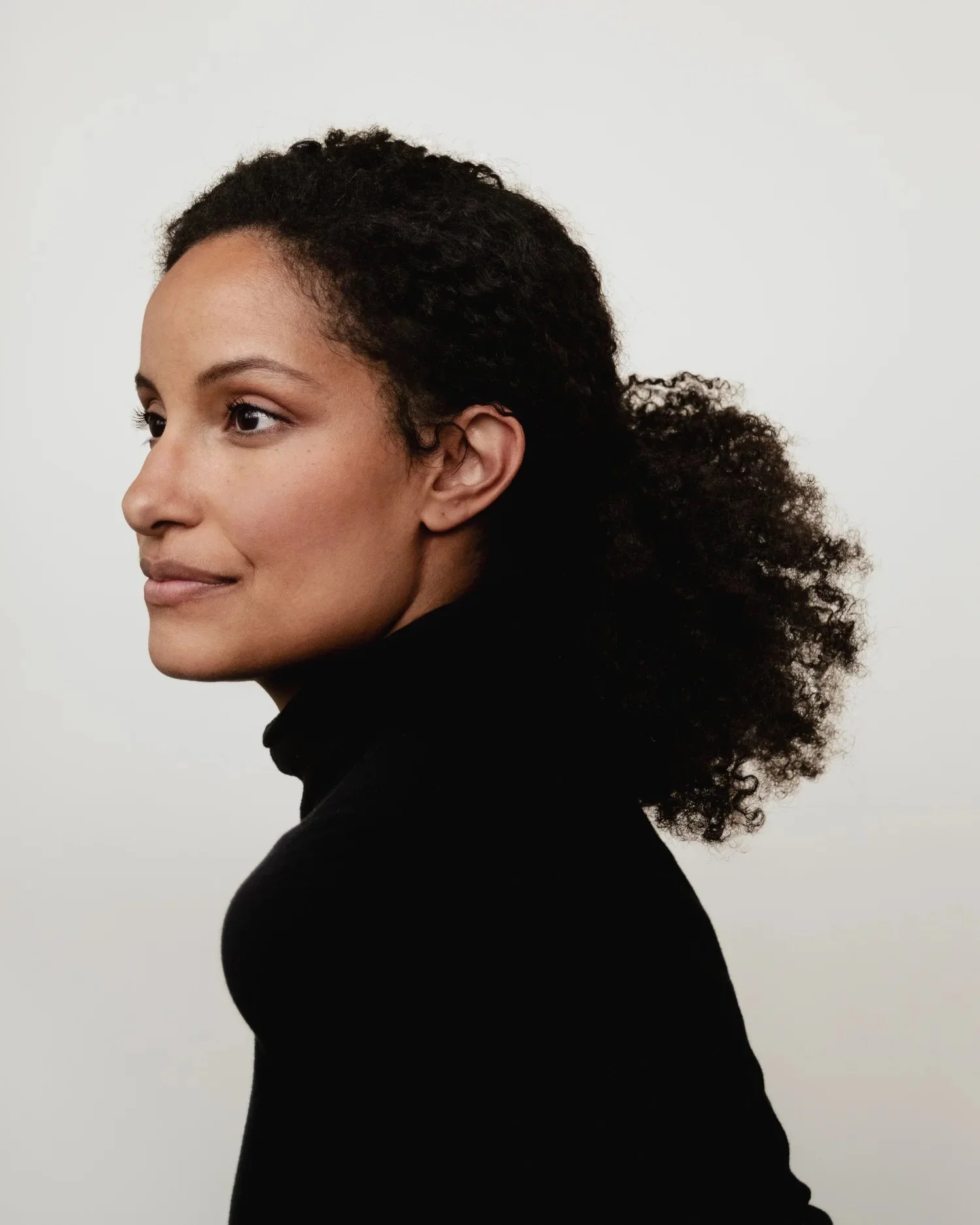
In this bonus episode, I chat with author Kiley Reid for the inside scoop on the Booker Prize, an annual literary award given to the best fiction book written in English and published in the UK and Ireland. As a 2025 judge—and the author of a 2020 Booker Prize-longlisted book—Kiley offers insider knowledge on everything from what makes a "Booker book" to the process of narrowing down the list from 153 titles to one winner.
TRANSCRIPT
Traci Thomas 0:00
Hey everybody, it's me. Traci Thomas, host of The Stacks, and I'm here with another bonus episode of The Stacks Unabridged, that is our podcast exclusively for members of The Stacks Pack on Patreon and subscribers to my newsletter on Substack called Unstacked. If you have ever wondered how a book prize is decided, today's episode is for you. I am joined by Kylie Reid, who is one of five judges for this year's Booker Prize, which is a UK based literary prize which honors books from English speaking countries. This year's prize will be awarded on November 5, and the Booker list is down to a six book shortlist today, Kylie and I talk all about the nerdy process of getting 153 books down to one. I asked her about the logistics of fighting between the judges, how she's reading 153 books in about six months, and why the Booker Prize asks their judges to read each of the shortlisted books three times. All right, now it is time for my conversation with Kylie Reid.
All right, everybody, I'm so excited for this episode of The Stacks Unabridged. We are talking book prize, not just any book prize, we are talking Booker Prize with a Booker Prize judge from this year's prize. Kylie Reid, Kylie, welcome back.
Kiley Reid 1:38
It's really great to be here. Thanks for having me.
Traci Thomas 1:41
I'm so excited when, when this started to fall into place, I was like, This is my dream, because I love talking about book prizes. I care deeply about them, and I feel like nobody really understands how they work or what happens when you're a judge. I have had the pleasure slash horror of being a judge. So I know all about it, but I want to hear about it from you. So we're going to start here. Who called you? What happens? How do you even get called up? Because this is big league prize shit.
Kiley Reid 2:16
So my friend Sarah Collins, who was a judge the year prior, she had said to me, Hey, the president of the booker wants your email. They have like, an opportunity for you. So I was convinced that it was like, they want me to write something, they want me to interview someone. I was like, that's great. And she pretty much spelled it out in the email back to me, but I was like, that cannot be correct. I'll just talk to her in person and see what this is all about. And then they made the offer, and I laid on the floor in my daughter's room. I was bowled over. I just it is the biggest privilege to be put in a situation where you're forced to read so much and kind of remember why you started it is such a gift to be forced to say, Okay, how are people starting novels? How are people ending novels? How are people doing this right now, the thing I compare it to, it's like, if you're like a ballerina or something, and someone's like, I want you to take a barre class every day, all day. And like, remember why you started this? Yeah, it was, it was an amazing offer.
Traci Thomas 3:23
Have you seen the movie center stage? Okay, well, you know what some people have not. it's giving Donna Murphy, like, go back to the bar. Incredible. I love that. That was your reaction. Because my reaction, though I'm not a writer, was this sounds like a lot of work. Can I? will I? I should I? Did you have any feelings of like, can I actually handle this? Did you ask any follow up questions? Like, I'm honored. What does this literally mean for my life?
Kiley Reid 3:59
You know, I was too excited to be smart and ask those questions. And here's the thing, they make the call in December of the year before. And at the time, I was in Michigan, and my family had been planning a move to the Netherlands, where I am right now, for two years, and so I was planning a transcontinental move with a then two year old when this offer came in, and I was like, I'll make it work. It's fine. So, I mean, I was just so excited. I thought, I'll make it work. I'm never going to have this opportunity again. I want to have more children. I should do it now, while I'm not pregnant, this is going to be so great. But, I mean, did it kick me in the head so hard and make me understand that I could not write my own stuff immediately? Yeah. I mean, between my move and reading, I just had to only do the move and the Booker, that was all I had time for.
Traci Thomas 4:54
Were you already working on a writing project before you said, Yes
Kiley Reid 4:59
Yeah. I have to book deal.
Traci Thomas 5:02
Oh, you have a deal. So your team was like, Kylie, it's a no from us. And you were like, too bad, already got the advance. We'll deal with it later. Great. I love that.
Kiley Reid 5:11
I mean, my team is like, huge Booker fans too. They were like, This is great. But I was like, I know. We'll deal with it later.
Traci Thomas 5:19
See you in November. Can you just tell us, for people who don't know broad strokes, what is the Booker Prize? What makes it the Booker Prize?
Kiley Reid 5:31
So the Booker Prize is a fiction book contest for all English speaking books that are published in either the UK and or Ireland. And so that means that you are getting books in from the United States, which is really contentious. We can get into that from Ireland, from Australia, from India. So all over, it's English speaking fiction. So I do not know the year, but I think it was 10 or 20 years ago that American authors were allowed to participate, which some people think is great, some people think it is awful. But now I can say that what I think is special about the Booker Prize is that all of the judges are reading all of the books, okay, like every single one. And you know, authors and booksellers talk. So I do know a little bit about other prizes where it's like every panelist is given like 30 books, and they're in charge of those 30 books. And then later it might become clear that, like, they didn't really read those 30 books. That is not happening here. We're all reading every single book and and making each other change their minds and making people real.
Traci Thomas 6:40
I want to get into this because I have a lot of questions. You're all reading every book you don't have to finish every book
Kiley Reid 6:49
you can skim. And I think Roddy said it well, he was like, we want to focus on the books that are great. So for me personally, if I started reading a book and it was knocking me out like so good. I put it to the side so that I could read it properly later. I think should be a good reader and writer. You have to be able to skim a little bit. But there are books that are from really heavy hitters, and even if you don't like them, you want to come in with a strong argument. So you want to read every book.
Traci Thomas 7:20
Yeah, do you know is there a limit of, like, how many books a publisher can submit? Like, do you know if there's any curation of the list that you get before you get it?
Kiley Reid 7:31
I know that if you have been shortlisted in the past, your next books are automatically entered. And I also know that publishers have a certain number of books that they can put forward
Traci Thomas 7:43
So I know with some prizes, the judges can say this book wasn't submitted, but I think we should consider it. Do you all have any sway in that way?
Kiley Reid 7:55
There are callings that people can say, I cannot believe this wasn't here. This should be here, we should consider it and so, I mean, a book has to really stand out if you want your fellow judges to read.
Traci Thomas 8:10
How many books? It's 153 that you get submitted or you got that's a lot of books.
Kiley Reid 8:21
It's a lot of books. I will tell you. There were two ways I got through it, one of them was a little strange. So one I the only way I got through it was putting two books against each other in one day. So I would pick two books that were kind of the same size, and I would like make them compete, basically. So I would read an hour of one and then take a little break, go for a walk, and then read an hour of another one. Another thing I really had to do was learn how to walk and read at the same time, because, like, you need your steps. I had to make sure. So I found this, like, stress. I was, like, living kind of in a rural area, and I found this stretch of wood so I could just walk back and forth. So also, you didn't get, like, motion sickness, I got pretty good. I was okay, okay. That leads into this, which is strange, but it really helped. I was having some other health situations, and I had started doing something called neurofeedback. Do you know what that is? No, okay. So it's like football players do it. People who've had concussions or traumatic brain injuries do it, and they basically put like, electrodes to your brain, and you watch screens, and either you're playing a game or a movie, and when your brain is moving in the way that it's supposed to, the screen stays lit up, but when your brain is moving in pathways that aren't healthy, the screen goes dark. So it's training your brain to, like, redo those pathways. So I was doing that, and I told my engineer that I was doing this prize, and she was like, we we can help you focus like, we can help you do that through neurofeedback. And it really helped
Traci Thomas 9:55
I need this. I need this. Oh my gosh, that's so cool. I need a brand deal for Neuro whatever the fuck I will be your influencer of choice. That's incredible. Do you know of any of your fellow judges if they had other weird things that they were doing, like, like, the head to head or like, do you guys talk about any of that like strategies to get through it all.
Kiley Reid 10:21
We definitely kept up with each other. A lot of them would read the big ones first, like, get them out of the way because, like, it's just too daunting to not do it. A lot of people read on planes. On planes, I could knock two out. Like, there's something about a plane that you're just like, I'm here. Let me. Let me just do this.
Traci Thomas 10:39
Yeah, you're a fast reader, though, right?
Kiley Reid 10:42
I really wasn't before. And also, here's the thing, I can be fast because I've been teaching so you have to be able to read fast. But I don't like to read fast. I like to do three books a month like I really like to sit okay with them. But for this is more than that.
Traci Thomas 10:59
When do you start reading?
Kiley Reid 11:01
We all started, I believe it was the holiday break in December. We were all on our vacation.
Traci Thomas 11:09
And then the short list comes out in September, right? Or August, September
Kiley Reid 11:17
It was September, and the long list was in July, yeah.
Traci Thomas 11:23
So then you've got, you've basically got a little, around six months to get the major chunk. And what I know about the Booker Prize, or I've heard, but I'd love for you to flesh out, for me, you all read the books that make it to the shortlist three full times, at least correct?
Kiley Reid 11:42
Yes.
Traci Thomas 11:42
So you do the first read with the with the huge list, the 153, you narrow it down. We're going to talk about how we get there. Then you read your long list, all of those books, for the second time. And then before you pick the winner, you read the short list for a third time. Is that how it works?
Kiley Reid 11:59
That's correct. That's what we're doing now. Yeah.
Traci Thomas 12:02
And when do you actually pick your winner?
Kiley Reid 12:05
I believe it's like three days before the ceremony. It's real fresh.
Traci Thomas 12:10
Okay, okay, I want to come back to this too. There's so I'm trying to, like, thread this needle, because I have so many questions. This is the shit I talk about with all my book nerd friends and all of our book nerd group chats of like, what is this like? Because I think last year on Instagram they posted that the judges read the books three times, and like, Bookstagram was, like, in a tizzy about it. So I just wanted to get the clear thing, have you, you don't have to name titles. Has your mind changed about books so far that you've now are on your second and or third read of
Kiley Reid 12:46
Yes, mostly in good ways. I would say that some of them, well, let me start by saying this. When I was offered the position, I wanted to make sure I knew what I was getting into, because I feel really strongly that the American view of the Booker is this really interesting book that's almost like a Brecht play, and really quiet and thoughtful, and nothing is happening. And I like my books to move that doesn't mean any plot, but I just need to know that something is happening, and the author desperately has something to say. And I asked the president, Gabby, you know, what is a Booker book like? What does that look like? And she brought up the rereading. And a Booker book is one that you get illuminations the second and third time that you are reading it. So some of the books off of the long list, like, fell away really easily. Because I was like, Oh, I see what you're doing, because I've read this and I like, know the ending, and I just totally see it. And in that way, this really was the competition for me, because I love it when an author tells you on the first line, like, what it's about, like, Donna Tartt Secret History, it starts off being like, When bunny died, this and this and this, Giovanni's Room. He's like, the day I'm supposed to die. This is happening, like, when an author is like, here's the plot. That's not even the point. I'm gonna illuminate things about the human experience right now, like the plot isn't even important. I'm like, That's so attractive. Yes, this is what I want. So yes, some of the books that were very heavy got strangely funny on a second or third read, sometimes, some of them that you didn't love the first time the second time. I was like, I still don't love this. You know what I mean? Like, we all felt like that. But the ones, I mean, the shortlist, they're all so incredible, and they just the things that they were offering. We found more nuance to them with the rereads. I think the rereads are super important
Traci Thomas 14:44
And there is no other instruction for what makes a Booker book?
Kiley Reid 14:49
Not that we received. And I really appreciate that they have made it clear to us that this is our decision. There's no other five people that have read these books in this year and this time period that this is in, and we just have to come together and find the books that we want to push into people's hands that we think are important. And that's it.
Traci Thomas 15:14
Do you feel like? Well, first, let me just say this back to you, I, and I when, when I had the like, pre call to talk to the team at the Booker Prize about doing this, I was like, you know, I have, I want to have this conversation. However, I have to be pretty upfront with you. I famously do not like the Booker Prize as a reader, because they're just not my kind of book. So in my mind, you all are getting very specific instructions that are like, what is Traci not liking a book, let's pick those. And mostly it's just that, like you, I like a book that moves. And also I'm not a super fiction reader, and I really love non fiction. And so for me, I It's I don't like when a fiction book makes me work too hard. And I think that the working hard is what probably what really pays off in the second and third themes, like a book, like Marlon James's Brief History of Seven Killings. That was a book or book, and I read it once, and I was like, I have run a marathon. I have birthed children. Nothing has been harder than reading this book. For me, I did get to the end of it, and was like, sort of want to start this again right this minute. I also read the sellout, which is another Booker book. I like that one more instantly, but I do think about it and I'm like, I should go back and read that, because I was a lot stupider then than I am now. So I appreciate this idea of the reread, but I also it is sort of illuminating for me. What it is about the Booker Prize that is a challenge for me,
Kiley Reid 16:44
that that makes so much sense. I think it is that reread and also like the working arts, like here are people who have have dedicated themselves to working hard at books, and that's just not how we read for the most part. I do think, for you know, a non fiction person like yourself, the Booker is interesting because I do see it starting to set trends. A bit like everyone who read the sellout was like, Oh, I do satire as well, because I use exaggerated situations, and exaggerating is not sad. Like, that's like one of the methods, but that's not what satire is. And so I think that that's just like one small example of how the Booker is setting trends. There are so many books that we read that I was like, Okay, I have seen my students try to copy this. Like, when authors have a lot of negative space, I think that I see a lot of my students being like, but if I don't tell them what's going on, it's literary. And I'm like, like, we do not lose anything from clarity, and that's where you have to work twice as hard. Like, this actually isn't and doing that so and that, those are the conversations that we're having in the room, too. Of like, okay, is this negative space? Like, is she full of shit, or does she have it? Like, we can't tell, and so we wrestle with those a lot. Yeah.
Traci Thomas 18:07
Were there things that you all as a group or you as an individual, feel like, books in 2025 are saying, like, based off reading these 153 books, were there trends that you either were like, this is happening, and I'm into it. This is a conversation, and I hate it, like, Were there things that you noticed that was just like books right now are doing this?
Kiley Reid 18:27
There's a lot of books focusing on climate change and focusing on a dying world in really creative ways, and just something that I actually really admire, because I think that for a long time, art was either not dealing with climate change at all, like that doesn't exist, or it was like after the fall and like, a very dystopian place. And a lot of the books were in the midpoint, which is really scary, like the dying mall kind of place. And so a lot of them were floating around there. Something started happening to me for like, the beginning of novels, and I started kind of categorizing them in terms of, like, emotional or emotionally manipulative. Like, there are so many books that start out by saying, the day I killed someone, I did blah blah blah. And I'm like no, you can't, that's not gonna get me. And I think the books in the short list too, if you read all the first sentences, they are so simple. It's someone who's like, Hey, can I tell you this story really quickly? And it's just so bare bones and really, really beautiful. Those are two trends I saw.
Traci Thomas 19:32
Yeah, okay, let's talk about the nationality of it all. Because I as a person who doesn't read a ton of Booker books. I'm sort of aware of the conversations, right? This is the Booker is a prize that's awarded in the UK, and so, you know, it's, it's giving British sensibilities, I think, to Americans. But like you said, they recently allowed Americans in. Do you know any of the history, any of the drama? Can you kind of break it down for people why that's even important or interesting?
Kiley Reid 20:04
So all I know is that in 2014 they started having Americans come and play, and since then, two have won. That's Paul Beatty for the sellout and George Saunders for his novel Lincoln in the Bardo I believe it's called. So a lot of people, you know rightly notice that Americans make a big showing in the short list and the long list. But, you know, it's only two that have won, so it's still very much in my mind, a UK prize. Now that I've actually gone through the process, here's where I'm at with it. I mean, these stories are happening everywhere. The short list covers India, Italy, Japan, Hungary, London, like it's all over. And the authors, I think, all span, like four different continents or something. And so we're here to read about English speaking books. And that's, that's where we are. And so, I mean, it's a little trite for me as American to be like, this is fine, but a lot of people do not like that.
Traci Thomas 21:07
Yeah, what do they not like about it? They're just sick of us.
Kiley Reid 21:11
Probably, I mean, rightfully
Traci Thomas 21:15
I get it like, that's not a judgment. I'm just curious, like, what is the criticism? Why didn't they want Americans in in the first place? Were they just like, you guys, have too many book prizes, like, get a brand.
Kiley Reid 21:24
Perhaps, maybe it's just that there's such a long list of of UK, you know, Booker winners, that it's like, Why? Why bring this in? But I think if you're going to do an English Fiction Prize, you kind of have to bring in the Americans. Unfortunately. Sorry guys.
Traci Thomas 21:38
Yeah, when you all were reading, are you thinking at all about like, diversity of country of origin? Are you thinking like we should have an American is that playing in at all? Or is it really just like this book holds up?
Kiley Reid 21:55
I'm so glad that we were not encouraged to look at nationalities honestly, a lot of time we just did not know or even get into it. It was just which, which are the best books that you want to give to readers?
Traci Thomas 22:08
Yeah, could you, did you have at all, like, a sense of, like, once you started to look and see, were you like, oh, Australians are really, like, up on this? Or, like, this is like, such an, you know, such an Irish sensibility or No,
Kiley Reid 22:22
no, we just, we became, we became so obsessed with the books that we really liked, and it's just and they like also bounce around to different countries, like I think flashlight bounces around a lot flesh does as well. And so it didn't feel like we were picking American or British books at all.
Traci Thomas 22:39
Got it. Did they have any rules about audio books? Were you allowed to listen if you wanted to?
Kiley Reid 22:44
That is a good question, and I don't know, but I know that I can only speak to our panel is like, big on print, like I'm the only one that reads, like, some of the books on online, just because when I'm traveling, it's easier, yeah. But everyone has a very into the print.
Traci Thomas 22:58
Yeah. And you talked about, I'm curious about the head to head reading. So let's say you put two books head to head, and maybe they're both like, fantastic books, but because you were doing the head to head, book a won, book B was the loser in your little battle. But then you get in the judge's room and everyone else is like, book B is so lit. Did that ever happen? Did you have to go back to book B, and then what happened from there?
Kiley Reid 23:24
So I should probably explain the traffic light situation. So about two days before we all meet together, we send in what we call our traffic lights. And so it's a spreadsheet, and all of the books are names named. And you go in and you put either a red, a yellow or a green by each of those books. And so it doesn't mean that the books are off the table, or you don't talk about them, or nothing is anything is final, nothing like that. It's just kind of to gauge where everyone fell. So the day before the meeting, you get your traffic lights back in of everybody else. And it's like, that email comes in and I'm like, no one talked to me like I need to see, like, what everyone else is thinking. And so sometimes you look and you're the only green and everyone else hated it. Or sometimes, you know, a book that you thought was great, you know, no one else liked. But then you do see that we all, I think, that we were, like, pretty aligned for the most part. And so certain books that I would be like, I'm gonna go in so hard for this book. I loved it. You would get the traffic lights back. And I'm like, Oh, I don't have to. Everyone loved it. Perfect.
Traci Thomas 24:28
Yeah. If you had a book that you love that nobody else loved, was that defeating for you? Or were you like, Come on, guys, like, let's talk about like, how much are you pushing? What's your strategy this part. So when I judged, I judged a different prize. I don't want to say too much, because everybody knows the prize they judge, but my fellow judges and I had really different approach and feelings about our responsibilities, I think. And when I got their list. It wasn't traffic lights, but they, we just they sent sort of lists back of where they were. And there were a few books that they had very high on their list that I had read and been like, over my dead body. Will this book be on, like, like, legitimately, books that, like, were offensive to me, or just, like, I fucking knew someone was gonna like this shit, and I hate it. So you get the traffic lights back and you see, like, two or three people are high on a book that you are like, never. What is your mentality going into the meeting? How are you preparing? What are you saying? Obviously, no titles. But like, what's the vibe?
Kiley Reid 25:38
I mean, I'm pretty ruthless. So I had more reds than anybody else ever all the time. Roddy was like, you really this is your favorite color? I was like, I don't know else to say, and that's because, one, I'm pretty ruthless. But two, some of the killer books were in the first batch. And so I was like, did you not read this other one? Like, what are we even doing talking about this one? Because, like, the bar has been set so high for me personally, after teaching a lot of workshops, I tell myself, come in ready to fight about two things. That's it. Like you have to pick the ones that you want to fight about. And like, if there's a bunch of greens and ambers for one, like, then I don't really need to fight. But like, go in for two. Like, do not be crazy and just make sure. And usually I would pick one that I really loved and one that I was, like, Absolutely not. Like, this cannot go on. I think we all had those books, and everyone on the panel is just coming from such an interesting place, and like, they're kind and dedicated to literature, and so you actually do want them to change your mind. And I did have my mind changed a bunch of times. I think everybody else did.
Traci Thomas 26:52
Yeah okay, I love that. What did you make of sort of navigating taste? Because a lot of this is like, you're all passionate readers, you're all you all love books, but like, someone might just have different tastes than you, or maybe a few people do. And like, how do you navigate that piece of it is there, like, a logic argument that can be made. Or, like, how or or does it end up being? Like, this is John's taste, this is Kylie's taste, and they don't agree. And so this book sort of loses out, because it's not strong enough to bring two people on board in the long run.
Kiley Reid 27:27
I mean, at the end of the day, the whole thing is taste. There's no right answer. And so I think that that puts the responsibility on the person who loved the book, like how you make your case for this book, of what this book is doing on the page and also in the world that you have not seen before. And so I think, like when we moved from the long list to the short list, we all kind of came in with our dream short list, and the actual short list was no one's dream. And that feels right to me, yeah, like, We all lost books that we were like, Are you kidding? No, it must. It must go on, but we all have to play the game and make sure that the list looks like all of us, not just one. So I think that's what I had in my brain too. I was like, you know, I write a certain way, I read a certain way. I want to make sure that this list looks a little bit like me. Let me pick the ones I really want to fight for, but also let me, like, chill out and not be crazy as well.
Traci Thomas 28:28
Were there any judges that surprised you? Were you surprised by how you all worked together? How many times, I guess, and on top of that, how many times are you all actually either meeting in person or virtually to discuss the books. How often throughout the process are you checking in?
Kiley Reid 28:45
So we meet once a month, but it just it kind of worked out nicely. I knew Chris Powers before we had met at book events, and Sarah Jessica had read both me and Ayobami's books. And then Chris and Roddy had no like, we all like, had kind of heard or known each other a little bit. And so a couple of us started, like, little, you know, WhatsApp groups and things. And just like, have you read this one yet? Okay, tell me what you think about this one as you're going through
Traci Thomas 29:10
So you had communication outside of the official communication
Kiley Reid 29:16
Most conversations are about font size of like, get ready for this one. Like you're going to die.
Traci Thomas 29:23
Are you when you're doing the monthly meeting is there an agenda of, like, these 15 books are what we're talking about each month, and then at the end, you bring everything back together?
Kiley Reid 29:34
Yes. And I wish it was 15 books. It's more like 25 to 30 that you all talk about. And so we had some of those meetings in person, which was way better, but mostly they were on Zoom, just because we're all so far away.
Traci Thomas 29:46
Yeah, okay, I like that, that there's like, some structure throughout the process, because that probably, like, keeps you a little bit on par. Yes, you
Kiley Reid 29:56
definitely want to stay on par. And, like, you just, you know, you want to give. Each book its day in court. I think that I do think this is a prize that, like, really respects the books and wants to make sure that we give them a chance. And I think that one of my favorite things about reading in a group like this is that we're all coming from so many different places that I learned things about the books that I would not have learned otherwise. Like, there were books where I remember one day Ayobami was like, I've been to a school like this, and this is not how we call these things. Like, I don't know what this author is talking about. And then Sarah Jessica was like, I've lived in this place before. Like, they did not get it. Like, those are super valuable to me. I'm like, if they don't do their research, like, why are we even considering it? Yeah, so everyone was bringing a really interesting stuff.
Traci Thomas 30:44
Yeah, I love, I love that. Like, little like, I'm just like, so fired up about like, all the little, like, niche things. Do you know how the books were broken up? Like, each tranche, each monthly tranche. Like, did you all pick or was it given to by the booker people, or was it alphabetical, or
Kiley Reid 31:03
We I did not pick anything, and I was not in the mindset to pick anything. I just opened the package that comes in the door.
Traci Thomas 31:10
It just shows up, like 30 books up here they are, group one,
Kiley Reid 31:15
okay, yeah, I mean, and that's also the best part free books, is, is pretty good.
Traci Thomas 31:20
It's good. It's also very overwhelming. Yeah, you can see from my pile of free books, you know, yes, exactly. It's my it's my greatest blessing, and also truly and deeply the greatest curse of my life. Like a number of books. And the year that I judged, we considered 144 books. And I think that I got sent almost 400 books that year. I still find books from that where I'm like, Oh, I can get rid of this. It was 2023 I still find 2023 books around the house. And I'm like, That can go now. I think, I think I did what I needed to do with that.
Kiley Reid 31:59
You have to give them up. You just have to make more space from our books. Yeah, it's hard.
Traci Thomas 32:03
My rule for myself is that I keep every book that comes to me that is published that year through the entire year, generally, till February. But if I think something might have like a Pulitzer shot, I'll keep it through that. But that got pushed back. Used to be April. Now it's like mid to late May. Like guys, I gotta get rid of the books. I'm on a schedule. Work with me. I know you guys are fancy. I respect the shit out of you, but, like, I don't have unlimited space. I am not Pulitzer fancy. I'm regular. I need space Exactly.
Kiley Reid 32:33
And with this too, I was moving. So I was like, how am I going to we just had to work it out. Yeah, everything had to go,
Traci Thomas 32:41
make it, make it work. How many books like do you approach the first long list meeting, like to get it down to the long list, do you approach that with? Like you bring your own long list, or is it just the stoplight situation?
Kiley Reid 32:57
That point we've gathered all the books that we either had on the yes or the maybe pile, and we bring all of those together, but there's no like number that we're trying to hit or anything. It's just from all of those individual I think that we had eight meetings, like from those meetings, which were the books that stood out the most, and then we go in, I think that meeting that we had to make the long list is five and a half hours
Traci Thomas 33:21
I was gonna say, how long was that meeting?
Kiley Reid 33:23
Oh, my God, it was so long.
Traci Thomas 33:26
Like fun? Is it like, are you enjoying the conversation, or is it like, contentious the whole time? Like, is it like, fired up?
Kiley Reid 33:33
I think that I got very lucky because, I mean, this sounds very cheesy, but we all actually really do like each other. Like, there's nothing like contentious happening. I think I got a really great group that, being said, I am a writer, and I like to be by myself, just being in a room with other people. If I have to have my heart, I'm like, Oh my God. Like, where am I at this point? But, like, it's also so fun, like I would feel like a little giddy and nervous before we would meet together, nervous about what they would think of the books, how I would present my case, and also just excited to hear everyone Yeah, it was mostly fun and nerve wracking.
Traci Thomas 34:12
Okay, so we get we get to the long list. Finally, it's 13 books. Then you guys have a few months you get to reread? Are you reading anything else in that 13 months?
Kiley Reid 34:23
Well, as the mom of a 3 year old, I read a lot of my daughter's books, and so I did read something. I was like, I just need to read something different. What did I read? My daughter and I just read Charlotte's Web. She didn't read it. She's three. I read it, right? Okay, but this is, this is a little weird. But I skipped the ending. She can probably handle death. I didn't want to do it. I was like, we're done. We're done.
Traci Thomas 34:52
Like, and then Templeton comes back and and Fern and everybody. It's great. And Charlotte lives forever. And that's it.
Kiley Reid 35:01
Yep, I was like, it's at the library. When we finish it, we finish it. We finished it. It was so good. I need to be a better mom. Yeah, thank you. I did take like, a week, like, off of not reading anything, and then I jumped back in. I remember I jumped back in with endling after the long list. I mean, I also had to work on my own stuff.
Traci Thomas 35:23
So you did start going back to your own stuff.
Kiley Reid 35:26
I did. But also it just like, I'm not exaggerating. The process is so intense. It's like, let me start responding to emails that I've been putting off for months. Like, let me try and settle into the Netherlands, where we live now, and and let me do everything else. So I think I was just reading my daughter's books, and then the long list again, yeah.
Traci Thomas 35:44
And how did you What was your mindset? Going back to the 13 books
Kiley Reid 35:50
I said, you know, let me read these the way that I typically read. When I'm like, really reading, I'm like, sitting down, if I like a sentence, I'm gonna underline it, I'm gonna think about it. And it was kind of natural how so many of them, just like, gently fell away. They're all great, but it's, like, very easy to see. Like, you know, it's kind of the difference between a really good film and, like, a movie that you enjoyed watching on a plane. You know what I mean? Like, yeah, you're just like, there's something really special about some of these books that that needs to be seen. I think I was really tough on the humor the second time around. I was like, if you made me laugh once, that's great. If you can make me laugh again, or show me parts that I that were funny that I didn't see before. The land and winter definitely did that for me. I was like, okay, that's that's really special. And I think that that's the read to where you're looking at variety and sentence structure, that's when you can slow down and understand the characters and everything a bit more. The rest of our lives became really special to me. On the second read, I was just like, I want to cry reading this, and I know the ending. That's a good sign.
Traci Thomas 36:55
Yeah, did you so? Okay, now we're going into our third read. You've got the short list you narrowed it down. Are you thinking of are you entering this in a different way? Do you want a clean copy of the book without annotations, or do you stick with the copy that you marked up in the second read?
Kiley Reid 37:13
I want a clean copy. I'm like, this is a brand new book. I'm a new person. Read this book for the first time, like, I'm picking it up and just and just seeing exactly what it's doing.
Traci Thomas 37:23
Are you marking it again?
Kiley Reid 37:25
I am. I am, well, it's this time. Especially, some of the judges are really good at bringing in sentences and paragraphs that, like, really bolster their points. And so, yeah, this time, I'm definitely, it's more of like the, you know, reading a thesis brain, I think, on this third read
Traci Thomas 37:42
so you guys are bringing in citations. You're like, on page 92 they say, and I quote,
Kiley Reid 37:49
I mean, it's, it's definitely, it's really tender. It's just like, hey, this part, like, made me choke up. Or this part is saying something that I have been thinking about for years, but couldn't, you know, put into words. But also it's like, this sentence is not great, like and I've seen a lot of other sentences like this before, and other work, you know, as it's all over the map
Traci Thomas 38:13
Oh my gosh, I don't think about sentences like this at all. I know, I know that you're a writer, and is everyone else a writer?
Kiley Reid 38:20
No, Sarah Jessica is not a writer, but she's a publisher but everyone else is a writer.
Traci Thomas 38:27
Does she bring different things to the conversation? Because she doesn't have that viewpoint and what and like, what type of stuff is, is maybe, like, exciting to her that's not as interesting to you all, or that you all aren't maybe not, not interesting, but you all aren't automatically thinking of, yes,
Kiley Reid 38:43
I definitely think that her, she has more of like, an editor's eye, because that's like, her job. Yeah. So some books that you know had the heart beneath them, but didn't deliver, I think broke her heart more, because she was just like, the right editor could have found you the best edit for this book, and it just didn't happen. And so I really appreciate that viewpoint for sure. Yeah, and she's just like, you know, literature obsessed, and comes in with a really great eye.
Traci Thomas 39:10
Yeah, right. I recently got to judge an unpublished manuscript prize, and the judges were all sorts of different people. There were publishers, there was like an industry like a Hollywood person. I am not a writer. I'm a person who talks about books. And it was really interesting having conversations, because I kept asking our like boss person who was behind the prize, like, but what are you what are we supposed to pick? Are we supposed to pick the thing that is the most adaptable, the thing that has the most potential with the right editor, the thing that is the most fully formed at this moment. And they kept saying back to me, just like, bring yourself to it. And that was really hard, because I'm thinking about books that are finished, even though this is an unfinished thing, my job as like a critic, is to think about the finished package. So I kept being like, well, this is the best thing I read. It does. It has the least potential, honestly, because it's the most fully formed. But it is the best thing. It has the best story. Like, you know, it's like, that was, that's a really, I started thinking about that in a different way. When I think about prizes now is, I'm like, Oh, if you're not a writer and you're doing a prize like the Booker, which, to me, feels like a writer's prize. You must be coming to the table with a totally different viewpoint than someone who is a writer and like you're a writer who teaches. So you're thinking about things in a way that I'm sure that someone who only writes, or maybe is, like, also a journalist, or something might, you know, like, so I don't know I'm fascinated by your all's different intersections as literature lovers, but from different perspectives.
Kiley Reid 40:46
I think that the the variety of judges ends up speaking to how wonderful the books in the short list are. Like they right. We all found something that those books had that was really, really special, whether we are mostly critics, writers or publishers. We were like, these are really special. And we all completely agree on those things. I think that a prize has to have a bit of variety. I love when prizes have booksellers. I'm like, they're the ones that are reading the news, like you have to book sellers. And I do think there's a little bit of, you know, of course, this, we're mostly writers, but like, I mean, we're in it too deep, almost like, sometimes I wonder if, like, movie stars can enjoy movies the same way, because they know everything that's going on. So I think having different people in the background is really good for a prize like this.
Traci Thomas 41:38
This is a controversial question, and maybe I can't ask it. So Sarah, you could cut it. Sarah's listening in to us. Do you all cut any deals? Are you like? You can put this on the long list, but it will not go on the short list. Like, do you all do any of that sort of cutthroat like, I've heard this happens sometimes. So you don't don't name names, don't even be specific, but I'm just wondering, is there any like you? You're talking for five hours. You're sick of it, and you're like, look, we've got 10 we've got 11 books picked. We have five books. We're fighting over, I will let you put this on the long list, if you promise. It will not make it to the short list or anything like that.
Kiley Reid 42:20
Okay, so Sarah can stop me. Like, listen up, girl, I'm a cowboy. You got to stop me. I'll say whatever. So that did not happen from the long list, from the short list, but during the preliminary like reading the 153 books, there were books that certain people were like, I hate this book, and other people loved it. And then there was a deal of like, it can go on the maybe pile now, but so help me, God, I will fight against this book later. So people were like, okay, yes, put it on the maybe pile because I will come back with my arguments, and I'm going to change your mind, and it's going to stand the test of time against these other books. But, I mean, no one was ever like, you know, throwing books against the wall or mad at each other or anything like that. So I can't say that any deals were brokered.
Traci Thomas 43:12
I heard of prizes where literally a book was like, people loved it so much, but one person was like, No, and the deal was, like, we'll put it on the short list, but it cannot win. Ooh, it was like, they'll get they'll get the acclaim of being on the list. Like they'll get the bump. It was a good book, but like, cannot happen. So, you know, I had to ask. In my my prize, I finessed. It wasn't quite that cutthroat, but I did finesse a you all can pick two, and I'm gonna, because there's only three of us, because they agree on two outs that I didn't love. So like, you all can pick two, but I'm gonna pick two and like, and I was like, and I'll cut these ones off like, so I like, I was like, really. I felt, I start, you start to feel so much stronger about the books. For me, I felt a responsibility in a way that I think going in, I maybe didn't think that I would feel I started to get really like. This book is my personality like, I don't know, did you feel that a little?
Kiley Reid 44:15
Yeah you feel like you're like, but no, guys, I loved this book
Traci Thomas 44:22
And you're like trying to say it in different ways. Like, sometimes you come in and you're like, ugh, and then sometimes you come in and you're like, rah this book is like, it's like, different tactics
Kiley Reid 44:32
And everyone's bringing in their own shit, you know what? I mean? Yeah. So, like, I really appreciate humor in books. Okay, and so there was one book that did not make it to the long list that I was like, this is the funniest book that we have read out of these 153 books. Do I think that it's perfect and amazing? No, but it's deeply funny. And so everyone was like, we agree with you. No. So. So so do I feel like those heartstrings pulled at the moment, of course, but I also agree with my fellow judges. I do think I have heard that in some prizes when it comes to picking the winner that no one agreed and so they picked a book that they could agree on, but that book wasn't anybody's favorite. Yes, and I think that sucks so bad. And that to me is like, oh my gosh, doing exactly what my parents did, which is, like, my dad picking my first name and my sister's middle name, and then, like, my mom doing the opposite. And then it just sounds crazy, and you're like, Wait, what happened? There were too many producers going on, so I feel very confident that's not going to happen with us, but I've heard that happening a lot?
Traci Thomas 45:41
I want to do a hypothetical. Let's just say your least favorite of the short list is three out of the five of yours favorite. How do you feel? Do you let it go? Like, can you let it go? Can you survive after if this happens?
Kiley Reid 46:01
No, no, I cannot. I cannot like, and I, I just care about these books. I feel like, I know these books are like intimate friends of mine by now, but I, I can't tell you that, like I trust my fellow judges to one hear me. And also, like, not put anything like stupid out there, like, why a certain book should win. You know what I mean? Like, every book on the short list I think deserves to be there for sure.
Traci Thomas 46:29
Yeah, do you, don't say titles, do you think you know now what book is gonna win? Given all the conversations, your opinion and the other judges, do you feel like there's a winner?
Kiley Reid 46:45
I would say I'm 75% sure.
Traci Thomas 46:49
After the prize comes out, I am going to DM you and be like, were you right? I will remember this. I will
Kiley Reid 46:55
Well, I also feel very strongly that like the winning, like person meeting that we have is either going to be three hours or 20 minutes. You know what I mean? Like? Because I do think that these rereads make you look at the books very, very differently, like it's just you see what that author was doing for the four or five years that they were writing it, and it's like, you're picking up like the rug and seeing all the skeletons behind and so I think I'm positive
Traci Thomas 47:28
I can't wait make sure you remember the book you're thinking of, because I don't want to message you. And then you're like, I don't even remember which one it was. I'll be mad. I'll be like, Kylie
Kiley Reid 47:37
No I don't play that game. Don't worry about it.
Traci Thomas 47:41
Okay, This is a question for you. Your book such a fun age was long listed for the Booker. Do you think about that now doing this process, and does it make you think about such a fun age differently or like, Did Did anything come up with you now that you're doing this, and then your relationship to that book or the prize.
Kiley Reid 48:04
So when my book was long listed, I did not really understand what the Booker was. My my editor in the UK called me and told me, and I said, Cool, what? What's like? I had heard of the Booker Prize. I had in my mind. I knew it as the Man Booker Prize, but that award season and everything was just really not on my radar, like when I met with my publishing team and they said, What is your dream for this book? I said, Reese Witherspoon's book club. And they were like, we'll see pump the brakes. That was very, very exciting. I was really interested in a smart, accessible book that, like, one person could read and do a thesis on health care for their class, and one person could be like, Oh, I'm on vacation. Let me, like, read this. I couldn't put it down. Like, I like that, not put it down thing. And so when I was long listed, the book came the long list came out on my birthday, and I was like, this is going to be this great day. And people were surprised and a little offended my book was on this list. And I'm like, Guys, I did not put this book on the list. Like, these are judges that are picking this thing. And then and I think that that that's great, but I think that, like I was saying before, people think, like, there's too much plot in here to be a book or book, and so coming on now, I think that that's where it comes to, like, the responsibility that I feel towards authors that their books are here. I'm like, if you're really funny, that is a talent. Like, yeah, a lot of people cannot be funny, and I think that that should be celebrated. And I'm really glad that my fellow panel, like, agrees with me on that it definitely brought back all of those memories, and it got my book into hands that wouldn't have seen it otherwise. I think that I like to write books that can be read two different ways. And so a lot of people read my book differently with the booker stamp on it. And so I'm super grateful for that.
Traci Thomas 50:08
Yeah, I feel like you are really good at doing books that can be read two different ways. You know that I'm a huge fan of come and get it that really, that book really, I mean, I like such a fun age, but come and get it for me, really, it. I appreciate a part of me that I just I'll never forget, the description of the bedroom, the dorm room, that I think about it all every time I go to target, which I haven't done a long time because we're on strike or whatever, from Target, but I think about it anyways. Thank you. And I also was, I was surprised that your book was on the booker list. But because generally don't like Booker Prize books, and I like such a fun age
Kiley Reid 50:47
People were literally tagging me. Of course people were tagging me being like this, why I was like, leave me out of it.
Traci Thomas 50:56
You're like, it's my birthday. This is an honor. That's so funny, oh my god okay, I have exhausted my questions for you. I think for the most part, is there anything that you think that the people need to know, or that I didn't ask you about the Booker Prize, that you're just like you wouldn't believe this or this is so important to understand, or anything like that.
Kiley Reid 51:21
Let me really think about this. Okay, I'm just going to tell you everything that I learned through doing this. They used to call you. They used to call you and tell you your editor, like, a few days before the list came out, that you were on the list, and it was very, exciting, but things started to get leaked out. And so now people find out, when everyone finds out, and I think that that's super exciting.
Traci Thomas 51:49
That's like the point. It's just like, surprise, surprise.
Kiley Reid 51:54
That is it. I'm trying to think of what else I know about the Booker. It's been a really cool experience. I want a huge break. We've talked about doing a book club, the five of us, and we're like, let's read dead authors, like we've done so much modern let's just take it on back.
Traci Thomas 52:10
Yeah, I love that. Oh, my God. You guys should do a book club, but you should tell I want to know what you guys are reading. Can you share?
Kiley Reid 52:16
I mean, they're all so smart and great, and that's also been a really cool thing in this experience too. Like, I did not think I would walk away with, like, readers that I would, you know, send drafts to and things and so, yeah, they're really great, and I'm happy about that.
Traci Thomas 52:30
Wait, I just thought of one last question, and we'll end it with this, what is the book that you most want to read? After all, is said and done with the prize. Like, what is the top of your TBR?
Kiley Reid 52:46
Do you know what's on top of my TBR? I want to read the unveiling. I want to read something scary. I want to read that one. Oh, I want to read Song of Solomon by Tony Morrison, because I've never read it before.
Traci Thomas 53:00
It's really, really good.
Kiley Reid 53:03
that's the one. It's my agent's favorite book. She's like, that is my Toni Morrison,
Traci Thomas 53:07
okay, so he's also messaged me about that. Once you do it, I'm so yes, all right, for sure, this has been amazing. Kylie, thank you for letting me ask all of my Booker questions. You were more forthcoming than I thought. So I'm thrilled by that and everybody else, you can find out the winner of the Booker Prize. On November 10, it will be announced they do a glamorous dinner, which I was not invited to, but maybe next year I'm available to come. Kylie, thank you so much for being here.
Kiley Reid 53:36
Thank you so much. This was so fun.
Traci Thomas 53:38
And everybody else, we will see you in the stacks. You