

Ep. 425 Why Do People Repeatedly Kill with Imani Thompson
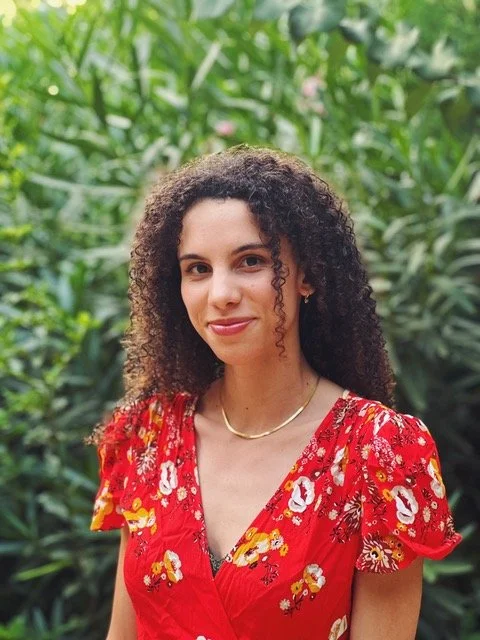
Today on The Stacks, we’re joined by author Imani Thompson to discuss her debut novel, Honey. This book follows Yrsa, a Black PhD student whose accidental murder of a problematic male professor awakens her thirst for killing men in the name of feminism. We talk about her journey of writing this book, the academic theory that inspired it, and the key differences between individual and state-sanctioned violence.
The Stacks Book Club pick for May is Lonely Crowds by Stephanie Wambugu. We’ll be discussing the book with Chanda Prescod-Weinstein on Wednesday, May 27.
LISTEN NOW
Apple Podcasts | Spotify | Google Podcasts | Overcast | Stitcher | Transcript
Everything we talk about on today’s episode can be found below in the show notes and on Bookshop.org and Amazon.
Honey by Imani Thompson
Just as Deadly by Marissa A Harrison
University of Cambridge (Cambridge, United Kingdom)
Saltburn (Emerald Fennel, 2023)
Afropessimism by Frank B Wilderson
The Drama (Kristoffer Borgli, 2026)
Bone by Yrsa Daley-Ward
“Ep. 415 The Feeling of Being Known with Tayari Jones” (The Stacks)
Big Swiss by Jen Beagin
Boy Parts by Eliza Clark
“The Uses of Anger” by Audre Lorde
My Sister the Serial Killer by Oyinkan Braithwaite
Killing Eve (BBC America)
Peep Show (Channel 4)
Fleabag (Amazon Prime)
Promising Young Woman (Emerald Fennell, 2020)
Daunt Books for Travellers (London, United Kingdom)
Hot Milk by Deborah Levy
Enter Ghost by Isabella Hamad
Open Water by Caleb Nelson
The Great Gatsby by F. Scott Fitzgerald
Heavy by Kiese Laymon
The Warmth of Other Suns by Isabel Wilkerson
Luster by Raven Leilani
Sula by Toni Morrison
“Ep. 406 A Consumer of Pop Culture First with Christiana Mbakwe Medina” (The Stacks)
Brit(ish) by Afua Hirsch
Natives by Akala
“Akala | Full Address and Q&A | Oxford Union” (Oxford Union, Youtube)
To support The Stacks and find out more from this week’s sponsors, click here.
Connect with Imani: Instagram
Connect with The Stacks: Instagram | Threads | Shop | Patreon | Goodreads | Substack | Youtube | Subscribe
To contribute to The Stacks, join The Stacks Pack, and get exclusive perks, check out our Patreon page. If you prefer to support the show with a one-time contribution, go to paypal.me/thestackspod.
The Stacks participates in affiliate programs. We receive a small commission when products are purchased through links on this website.
TRANSCRIPT
*Due to the nature of podcast advertising, these timestamps are not 100% accurate and will vary.
Imani Thompson 0:00
My really big question in writing the book, by the end of the book, was why do people repeatedly kill, be that individuals, but actually I was more interested in kind of states, you know, like why do governments do this, why do institutions allow this to happen, and I feel that we often do give these justifications of religion or war, or we need to bring democracy, or whatever it is, but to repeatedly kill, there's an innate enjoyment of power in that, I think, which is where I feel Yrsa really lands at the end.
Traci Thomas 0:33
Welcome to The Stacks, a podcast about books and the people who read them. I'm your host, Traci Thomas, and today I am joined by debut author Imani Thompson to discuss her novel Honey. This book follows Yrsa, a PhD student at Cambridge, whose accidental murder of a problematic male professor awakens a thirst for killing bad men in the name of feminism. Imani and I discussed the inspiration for this book, where the title came from, and how she was writing and thinking about gender, race, violence, and power as she wrote the book. Our book club pick for May is Lonely Crowds by Stephanie Wambugu, which we will discuss on Wednesday, may 27 with Chanda Prescod Weinstein. Everything we talk about on each episode of The Stacks can be found in the link in our show notes. And if you are sitting there listening to this podcast and thinking, you know what, I want a space where I can think and talk about books with other people, consider joining the Stacks pack on Patreon and subscribing to my newsletter, Unstacked on Substack. It's pretty simple. In either of these spaces, you get yourself perks and bonus content, plus you can find community conversation, hot takes, all sorts of stuff. And you make it possible for me to make this podcast every single week. To join, go to patreon.com/the Stacks for The Stacks Pack, and check out my newsletter at Traci Thomas dot Sub stack.com All right, now it's time for my conversation with Imani Thompson. All right, everybody, I am very excited. Many of you have heard me talk this year about how I have dubbed 2026 the year of revenge, and one of the reasons I have done that is because there's a lot of books out this year about revenge, and this year, well, and today I'm going to be talking to an author who wrote a book about bad men getting killed. Her name is Imani Thompson, and the book is called Honey. Imani, welcome to The Stacks.
Imani Thompson 2:38
Thank you so much for having me. It's so lovely to be here.
Traci Thomas 2:41
I'm so happy to have you. Also, your accent, just like, is so charming and lovely, and I know that you, you think that all our accents are horrible because they
Imani Thompson 2:49
No it's not true.
Traci Thomas 2:53
I saw what you wrote about Kyle. Okay, there's an American, and he's horrible, and his voice is bad, and so you know, I took it personally. it's okay, it's okay, it's fine, it's fine. You can think whatever you want, and so can she. 30 seconds or so, will you tell folks about honey?
Imani Thompson 3:15
Yes, so honey is about the sticky politics of race, gender, and violence, but all through the eyes of a serial killer. So, when Yrsa, who is a PhD student at Cambridge, accidentally murders a professor who's been having an affair with one of her friends, she set off on one not always righteous task to rid the world of some of its bad men.
Traci Thomas 3:37
I love it. Okay, I actually want to start here. I wasn't planning to talk about this with you, but we're here, so I'm going to this book. Is her story, and it's written in third person, very close third, but it's not written in first person. And so I'm curious, why you wrote it that way, because this feels like one of those books that, like, I would be like, yeah, you could justify first person here for sure, but you didn't, so why not?
Imani Thompson 4:05
Yeah, it's really interesting when I start a project, because I don't question my impulses that much. I always think the very first page I write, it dictates so much for the tone and the rhythm of the rest of the book, and it just came third person close, so I just rolled with it, and it's interesting. The book I'm writing now, it came first person on that first page, so I've also just rolled with that, and I just try not to question it. But I think what's nice about the third person close is it is so near first person, yet you do have the distance of the narrator, and it allows for those moments in the novel as well where the novel, like, really pulls back from her, and there are a couple of scenes where we get this sort of like almost sweep of history, and I like that ability to do that with a third person as well, and I think because she's quite detached and analytical as a character, it's in a way it suits her, the third person close as well.
Traci Thomas 4:57
Yeah, I love it. That's probably one of my favorite things. About the book, I've been on sort of a.. I've been, I've been thinking a lot about first person, and I'm just like, there's not enough books in third person anymore. And it was thrilling, because I had started this book when I had to put it down for a few days, and as I started thinking about this, I was like, "Oh, honey is in first person. And then I went back, I was like, "No, it's not, it's in third person, like it's so close, you do feel like it. And then, as the book goes on, you're right. There are these moments where you're like, no, no, we're solidly in third. Where did you get the idea for this book?
Imani Thompson 5:28
So, I've known I've always wanted to be a writer since I was little, and I was in my final year at university, and I was sat in a cafe with my mom, and I was like, I need to come up with this novel that I have to write out of uni, like it's the time, and I knew that I wanted to explore questions I had about being a woman of color in the world, the history of that identity. I also wanted to look at everything I was engaging with the university, the theory, ideas on race, on violence. I knew that I wanted to center a black female protagonist, and I just kind of looked at all of that and thought that's going to be a bit of a tough pitch to a publisher themes that I'm engaging with, because I was like, I want the book to be funny, and I want it to be commercial, so I thought, what if she was murdering bad men, and you know, instead of being a victim in that space, she had victims, and I was like, wrapping these themes in genre, so that's where the idea came from, and actually that day at the cafe, my mom was like, and you should call it honey, so it was really like very much born at that table.
Traci Thomas 6:25
Why did she say that?
Imani Thompson 6:27
I don't know where that came from. She was, I think, she was like honey trap. We were talking about Beyonce, the bees, because I think I think we might have discussed the first murder being with a bee and a San Pellegrino, and yeah, it just came, and the title really stuck in that afternoon. I started writing. Yes, voice came to me so immediately, alarmingly so. But then I paused until I finished my degree to like properly start writing.
Traci Thomas 6:51
What year was this when you had this honey conversation?
Imani Thompson 6:55
That was the spring of 2022 and then I was doing my finals, and then I graduated, and that autumn was when I was like, okay, I need to get the ball rolling on the manuscript, but I was working full time out of uni, and then the following summer I got fired, which was really helpful, and I was like,
Traci Thomas 7:13
got it
Imani Thompson 7:14
for three months, I'm just gonna like burn through my savings and finish this manuscript, which is what happened.
Traci Thomas 7:19
What were you working as what was the job that you got fired from?
Imani Thompson 7:22
I was working, it was actually a charity that was based in North London, and I feel like shouldn't go into too many details, because I would quite give the charity away
Traci Thomas 7:33
but like nonprofit work,
Imani Thompson 7:36
nonprofit work, yeah,
Traci Thomas 7:38
okay, that's what I meant, more, I didn't mean like specifically what was the job, though, if you wanted to tell me, you know, like I do feel like we could get revenge for you. I feel like we could figure it out
Imani Thompson 7:47
maybe one day I'll write it into a novel, and that will be my..
Traci Thomas 7:52
no, no, no, we're not gonna kill anybody here. You guys, don't worry, we're gonna leave that for yourself to do. Okay? I love.. I love that your mom came up with a title, like that's so crazy, because you hadn't written the book.
Imani Thompson 8:06
I know, and, and what was crazy about that too is that when I then sold, there were lots of conversations about the title, because obviously it's not an original title, it doesn't perform that well in search engines, and we went through this whole process with the editors, like pages and pages of other titles, so many conversations about it, but I was really like, I just feel the novel. I was quite open to changing the title, but I was like, I just feel the novel has to title itself, and I was like, when it got to the point where we had exhausted all possibilities, I was like, I think it just has to be honey, and I think it did, I think it had to be honey.
Traci Thomas 8:39
Do you think when you were writing it because that was in your mind, you were writing towards it in some ways.
Imani Thompson 8:46
I was in regards to, like, well, definitely the first murder that happens, that idea of honey trapping, the idea of sweetness, and I use that as a metaphor through the book. You know how she sort of binges on sugar and craves it, and there's this hunger that she can't satiate, so I liked that imagery.
Traci Thomas 9:05
I want to know why. I guess, like this novel, given what you were sort of like interested in writing towards race, violence, black women, women of color, what was it about revenge, or like this sort of like vigilantism that excited you, that is what took shape. Like, were you thinking about other ideas that could, could make this happen, or was there something specifically about the vengeance piece of it? Or, like, not.. I guess, I guess vigilante is more than vengeance, though. In some cases, I don't know. They're tight
Imani Thompson 9:37
No, they definitely are. And it's funny, because when I first like pitched the novel to myself, I did think, oh, this is going to be like a satirical take on female rage, on like the very tiresome troph of the angry black woman, and I thought it would be in a sort of that revenge zone, but quite quickly as I started writing, I realized it kind of wasn't about revenge, because I realized that Yrsa is not that angry, like she's not actually driven by this desire for justice, as she gives lip service to, and as her PhD thesis makes you think she is. There was something much more about power and her addiction to power that drove the novel, so that was quite interesting for me in the writing process, that whilst I had all of these ideas that I think the novel appears to be, I realized, oh no, I've got this all wrong. Actually, there's something completely different. And then it moved into a space beyond rage, which I found a much more interesting space to write from, actually
Traci Thomas 10:38
yeah, I think that makes a lot of sense. No, I certainly would not describe her as like rageful at all. Almost like
Imani Thompson 10:44
I would say, though, on the revenge front, what I was really keen to do is when I thought, okay, she's - if she's going to be killing people, who's she going to be killing? And then I thought, I'll flip the lens on violence, so I'll have her kill men in ways that women are often killed. So there's sort of cultural revenge, I suppose we could say is going on in the novel.
Traci Thomas 11:05
Yeah, I mean, I certainly think, yes, I certainly think like when you're talking about these bigger ideas of like race and power and gender, she is sort of like a Robin Hood for those things, for for for black women, right? like that, she and also like the lack of rage sort of plays into that, right, because so, so many, so much violence done to women by men is done in almost like a casual way, which I think is really interesting.
Imani Thompson 11:36
That's what I was so sick of seeing on TV was the casual violence and the glamorized aspects of the violence as well that I think is it's just so common to see in our films on our TV series, so that's what I want it to be like. Well, I'm going to turn that on its head and make it glamorous, but actually victim and perpetrator are switched.
Traci Thomas 11:55
Did you do you feel like for you that flip unlocked something? Like, do you think it made things make sense in a different way?
Imani Thompson 12:06
I don't know if it did. I think I, what I wanted the reader to feel was very uncomfortable in those scenes, because we should always feel uncomfortable when we see that violence being levied against anyone, and I wanted it to be a reminder that we should feel uncomfortable, that we shouldn't get used to seeing all of this on our screens all the time, and in terms of unlocking, I don't know that it necessarily did. It just sort of, I would say, more so, like, confirmed a lot of the misogyny that I knew was in society, so it was quite depressing. A lot of the research I did, and some of the scenes that I wrote. Yeah.
Traci Thomas 12:39
What research did you do?
Imani Thompson 12:42
So, for instance, when she stages herself as an escort, I looked at sites where women warn each other about men and predators who are out there, and there are pages and pages of warnings that you can read of violence in those pages. I mean, it's, it's just completely horrific. So, that was a big one. I looked into incel culture as well. That was another big one, and yeah, none of it was cheery reading. It really wasn't.
Traci Thomas 13:08
No one of the things I think, just like, given the moment that I'm reading the book right now, is you know, here in the States, we had a weekend, like a month ago, where there were two really horrific crimes in which men killed their wives and or children, and I just couldn't help but think about this book, right, because I was thinking about, like, this intimate partner violence, you know, and not in this, in the case of this book, like she's killing bad men, sort of broadly, but always sort of in very intimate ways, like she gets them alone. There's this sort of thing, but I don't know, there's just something about flipping what we're seeing that feels so gendered, that for me is almost hard to like read your book as real life, because it's like women don't do this, you know, like women. It's like, what if, but like, we don't. And I'm curious, if you sort of grappled with that element of like, how do I make this feel real, knowing that, like, I mean, yes, some women do, but like, women don't, like, in the same way that, like, you know, when we talk about, like, mass shootings in America, it's like very clear, a very clear group of people who do it, and yes, sometimes other people do it, but, like, black women don't do mass shootings in America, you know. So I'm wondering, how you sort of like grappled with the facts of the world to make it work for you in the fiction.
Imani Thompson 14:35
Yeah, it's an interesting question, because I realized I didn't worry about that too much, I suppose, because the very act of writing fiction is to go into a make-believe space to suspend your disbelief, to go into that space, but once you're in that space, to make it as real as possible, and that's grounding your character intentions and grounding those scenes in the world building that you do, so I can. Kind of like that, leap into the disbelief. Although I would say I did also read a book called Just as Deadly, which is all about female serial killers through history. And let me tell you, there have been some terrible, terrible female killers. I mean, [?] would take people off to picnics and poison them. She poisoned like 47 people, so that was a good reminder to be like, oh no, women in a way, it's like,
Traci Thomas 15:25
right,
Imani Thompson 15:26
the feminism to be like, no women can't be just as bad,
Traci Thomas 15:30
sure, no, of course, I mean, I know that women, I know that women do it, but I feel like,
Imani Thompson 15:34
as you say, it was intentional to put her in positions where normally we see women as the victim, that was very, very intentional, and then to just try and make that as realistic as possible through her psychology.
Traci Thomas 15:48
Yeah, and a lot of this book takes place in Cambridge. She is getting her PhD, she's a student, so it's got this sort of academia setting, though we're rarely in a classroom, we are like on campus and near campus a lot. What was it about academia that you were like, this is a good place to put this?
Imani Thompson 16:09
I felt Cambridge as an institute, it was just so ripe for satire, because in many ways it's such a ridiculous and extraordinary place, and for everything that it symbolizes this establishment, quite a colonial past. The fact that it is a space that has not historically been built for women or women of color. So I was really keen also to show the black perspective in that, because I felt there was a lot of literature or films like Saltburn, but often they're from the white perspective at Oxbridge, where there's a lot of real radical work going on within black communities and black thoughts, so I was really keen to show that, and I also was keen to show her really thriving in that institution as well, and being like bored that she's thriving so much that she's bored, and this is what leads her to killing. I think that's a narrative that we don't really get, and very simply, I thought it was a really pretty place to kill some people.
Traci Thomas 17:07
I love that. And how much were you thinking about, like satire? Do you think about that as you write? Are you, are you trying to write towards that, or is that something like after the fact that you kind of go in and finesse,
Imani Thompson 17:22
it was probably a little bit more after the fact. I feel she's so sarcastic as a character, and she again, in that sort of detached tone that she has, she is almost.. she's aware of this satire of a situation as she is in it. But yeah, I think it was when I, after I finished a draft, and I gave it to my agent, and she said, "I want more Cambridge. That's probably when I went back in, and I made Cambridge a bigger character, and I was a little bit more aware of the satire that I was playing up to both of the institution and the academic theory as well.
Traci Thomas 17:55
Yeah, actually, that was my next question, was about the academic theory. How were you thinking about sort of, there's lots of like Saidiya Hartman comes up in the book, there's Afro pessimism that comes up in the book. What were you wanting to sort of get at with with that? How were you thinking of linking some of this theory with this narrative?
Imani Thompson 18:18
What's interesting about the theory is that I'd written a number of, I'd probably written a couple of drafts, and I just couldn't figure out what she was doing for her PhD. I kept changing her topic all the way through the drafts, and then my mom, again, shout out to my mom, was like
Traci Thomas 18:31
your mom, is like really great
Imani Thompson 18:34
she's great. She said, "Oh, you should look at her pessimism as a theory, which I actually hadn't encountered at university, I had encountered theories that were quite close to it, and then when I read it, I was like, this underpins my plot just perfectly. This is amazing. So I fed it back into the novel, which I also think goes to show that she gives lip service to this theory that it's not what ultimately underlies her, because it came in at a later draft, but I thought it was perfect for the Afro pessimistic stance, it's, it's really a theory of anarchy, and to say liberation is found in death, and you know, then she, in a way, is like, well, let me take that to the streets, it just, it neatly fitted what she was doing, but also it was quite a good theory to set her up on, to be able to then see her unravel and not be able to justify it by the end.
Traci Thomas 19:25
There's a question that comes up throughout, like from her advisor. It's in the text, and it's basically this question about, like, how does someone revisit the scene of subjection without replicating the violence itself. Was that something that you were thinking about? Was that a question you were asking yourself as you were writing these scenes, like, was that informing you at all?
Imani Thompson 19:45
It was, yeah. And I wanted that supervisor to put that question in early, because it's an immediate curve ball to the justification she's giving, because I think that's much truer than. All of the sort of academic cartwheeling that she goes on around, like subject object, I think there is a replication of violence, and this to me was my really big question. Writing the book by the end of the book was why do people repeatedly kill, be that individuals, but actually I was more interested in kind of states, you know, like, why do governments do this? Why do institutions allow this to happen? And I feel that we often do give these justifications - oh, religion or war, or we need to bring democracy, or whatever it is, but to repeatedly kill, there's an innate enjoyment of power in that, I think, which is where I feel Yrsa really lands at the end, and that's where a lot of the theory would encounter all of her behavior as well. That Sadiya Hartman quote counters that.
Traci Thomas 20:50
Yeah, it's interesting. I think what I struggle with is like, can a person from a marginalized identity ever really be compared to the state. Do you know what I mean?
Imani Thompson 21:03
Yeah, that's a really interesting question.
Traci Thomas 21:05
Like, her individual actions sure are like similar to, but like war and cold-blooded murder to me feel different, especially, especially if it's being perpetrated by the state versus an individual, yeah, maybe
Imani Thompson 21:23
states are made up of individuals, but to me I was more interested in the structures, I suppose, of power and the structures of violence, and when I thought about it historically, I was like, okay, now we're in a state in our modern world where we have clear victims across the world, like we have this power victim dynamic around the world, but if you go back into the ancient culture, so you know that shifts again, and it's kind of negative because it's really thinking, well, all human beings are pretty capable of some pretty hideous things, no matter, yeah, all their identity or their culture, or where they come from, there's quite negative.
Traci Thomas 22:00
Yes, yes. No, you're, but you're not wrong. Yes, everyone, I guess, is capable of it. I think I think what I was so interested in is like, how does her identity inform her actions? This, I don't want to spoil this other thing, but have you seen the movie, The Drama, the like?
Imani Thompson 22:20
Please don't give me the twist
Traci Thomas 22:22
I'm not gonna give you the twist, but one of the things about that movie that I found really interesting to think and talk about was like the identity politics at play, you know, he's Robert Pattinson, he and in the movie he plays like a British person living in the States at the at a different Cambridge, there in Cambridge, Massachusetts, and she is a black Southern American, and their relationship to sort of like the whole up to each other and their community and their surroundings, you sort of overlay what you understand about those identities, and I found myself doing that a lot in this book, like trying to make her make sense with what I know, and I found that to be really provocative as a reader of, like, how can I position her behavior within the structures of which I know that she is living. Does that make sense without giving anything away, I feel like it's like so hard to talk around.
Imani Thompson 23:24
I mean, and that is, that's what we, that's the social theory in the book. I mean, that's why I love sociology so much, is I'm fascinated by that, like who we are in our cultural structures. And I think what's really fascinating about her as a character is she is hyper aware of all of this, and that's what was really fun about writing her, was to write someone who was so aware of her cultural positioning and what everything means around her, and then to just write so unbothered by it.
Traci Thomas 23:52
I want to talk about one of my other favorite things about the book, which is actually not my favorite thing about the book, it's my favorite thing about the act, like the physical object, but the cover,
Imani Thompson 24:01
yeah,
Traci Thomas 24:02
you have an amazing cover in the United States and an amazing cover in
Imani Thompson 24:06
the UK.
Traci Thomas 24:07
How did this happen? Did you have anything to do with either cover? How did they.. how did you get so.. like, I feel like online there's so much discourse, like the UK covers better, the US covers better for this book. I legitimately do not think there's a better cover. I think they are equally amazing. Were you part of this process at all?
Imani Thompson 24:26
I know I'm honestly so blessed with the covers. I did put together a Pinterest board, that's okay, claim to fame at the covers. Okay, but no, like it's fully the designers, and I recently met the UK designer, she's called Poppy, and I was just like obsessing with her. I was like, I was just so obsessed with the cover that you've created, and what I like about both of them, their fields is sort of like 70s vibe to both. Yes, and in the US cover too, I feel I could see there was paintings by Daniel McKinney that were. My Pinterest board, and I could then see the reference of that into the US cover, and what I love about the UK cover is I just think the pinned bee is so smart, it's such a simple image, and it's just so, so smart. So, yeah, so happy with both of them.
Traci Thomas 25:16
I love it. Okay, let's take a quick break, and then we'll be right back. We're back, and I want to ask you about how you name your characters. How do you name them?
Imani Thompson 25:31
Yes, so when I started writing that afternoon, I looked at my bookshelf, because I was like, okay, I need a name, and I kind of just took like a placeholder name, and there's I had the poetry by Yrsa Daly Ward on my shelf, so I wrote Yussa, and then it stuck, I never changed it, I never went back to it, it just felt right, and it was only after I finished the whole book that I decided to look at what it means, and it actually is, it means fury, which I was like, wow, that's so fitting, and then other characters, sometimes the names change a lot. Actually, I think I was listening to your podcast, and you were interviewing, asking about names, and I can't remember which author it was, and she said you have to remember that the parents give them their names.
Traci Thomas 26:17
Tayari Jones said that.
Imani Thompson 26:19
I know it was so smart, I hadn't thought about that. It's so smart. It's like I really need to think about this now for my next novels, because often I'll just look at long lists of names and just kind of vibe it up, and I was like, that's a much better approach. So I'm going to take that in the future.
Traci Thomas 26:34
It's such a no one had ever said that before, and when she said that, I was like, wow, what are you, agenius? What are you, Tayari Jones? Yes, one of the great writers. You must be well, because you have so many characters in this book. There's so many named characters, and I was thinking, like, how do you even decide, or like, keep track? And are there some that you just know are right, and some that you kind of futz with until you get feels right,
Imani Thompson 27:01
yeah. Definitely, I think the name of her ex-boyfriend is the one that changed the most. I changed that name probably about five times, and I, I couldn't, I couldn't figure him out for a little while there. And then I think his name was right. Sometimes I'm still like, is it by the end? Yeah, sometimes names they just fall from the sky, like in my new novel. Now the names are really easy, but in this one, definitely naming the men was tricky.
Traci Thomas 27:31
Interesting. What else has changed from when you set out to write this book, if anything?
Imani Thompson 27:37
I would say the character who changed the most was her mother, and I love her mother. I think she's probably.. I mean, I can't say that yours is not my favorite character, but I think Candice is amazing. But she revealed herself so slowly to me, and it was only at a really late stage that I suddenly realized that she knew this thing about her daughter, and then it like totally changed our whole character again, but I think that's interesting, because I'm sort of in Yrsa head, and yes, it doesn't understand her mum
Traci Thomas 28:08
Oh so you didn't,
Imani Thompson 28:11
oh yes, and sometimes you explain this to people, and they're like, that doesn't make any sense, like you make up these characters, you decide, but I'm like, that's not how it works in the, in the mystics of what's going on. Characters might reveal themselves immediately, or you've got to give them time to figure them out.
Traci Thomas 28:28
Oh, that's so interesting. As a debut novelist, were there things that surprised you about this process, about putting this book into the world? Were there things that you thought would be one way that were different, or were there things that sort of, I guess, revealed themselves to you? So far,
Imani Thompson 28:45
it has been the most surreal whirlwind of a process, because I expected everything to be far harder than it has been at every stage. It's really been such a joy, and I know how lucky I am to be saying that of the process. I think what I'm grappling with now is, I was thinking today there's a lot of waiting that happens. You, you finish your edits, and then you spend a lot of months waiting for your book to come out, and I thought once it came out, I'd be done with the waiting, but now I feel I'm sort of waiting for a response. It's a strange state to be in, but I, so I think I have to learn how to just really let things go, like now that it's out, to really be like, okay, it is fully out, it's like fully not mine anymore. The waiting is over with the novel, because it's a very, it's a very long process that you hold something, and then what's also funny about the publishing is by the time you get a response on it, you are quite over it. You're what your work with the novel is done, so this can be a funny dynamic too.
Traci Thomas 29:50
And what for you was the hardest part about writing this book, and what came easily for you?
Imani Thompson 29:57
I think, because it was my first book. Like the hardest part was the belief that I could write a book that I could get to the 85,000 words and see the project through, and you hit kind of, it feels a little like watermarks when you get, you know, 40,000 words, and okay, I've got half a novel, and then you're at 60, and you're like, well, I guess this is a novella, like maybe I can see the end, so it was, it's the belief in that, because also when you're doing it, I mean, I used to hate people asking me what I was doing, you know, I feel like so embarrassed to be like, "Oh, I'm just like writing, right, like, please don't ask any questions, because you feel a little bit deranged, like in your bedroom spending all of these hours on a project, and you think there's a high chance that no one will ever see this, that no one will ever care about this, so you have to have this sort of like weird compulsive self-belief, I suppose, to see the project through to the end. So it's that's been a lot easier on my second novel, because now I'm like, okay, I can write a novel, that's all right.
Traci Thomas 30:56
yeah, what's the second novel about? Can you tell us anything about it?
Imani Thompson 31:00
Yes, there are no serial killers in the second one. It's set in the near future, so it's a softly dystopian novel, and it's set down in Dorset, where I grew up. It's looking at the climate crisis, migration, and questions of having children in uncertain futures. It's a much quieter novel, I would say, than this one, and I've been playing with form a little bit more, which I've been really enjoying.
Traci Thomas 31:23
How come nobody who's writing a near future book is like, and it's a great place to be? They're all dystopia. Why can't anything in the near future be good? Give us hope. Okay, Iman, we need help here.
Imani Thompson 31:34
I mean, I wouldn't say it's overly hopeful, but there are hopeful.
Traci Thomas 31:40
I'm just like, you know, we're on a bad path, like, as a world, if everyone who's writing about the near future is like, and it's horrible, like, we're just, it's the worst things are coming.
Imani Thompson 31:52
Well, but I would say, though, writing about the near future, it feels like the presents just catching up with you. It's, I, everything I write, I think, well, this could have, this could happen next week in Trump's America, or you know, it's very strange when the present feels so dystopian already
Traci Thomas 32:08
yeah, it's a nightmare. It's definitely not great living in Trump's America. I can tell you that. Is there anything that's not in the book that you wish was or could have been.
Imani Thompson 32:21
I wish maybe actually I put a little bit more in about the economic dynamics of the university. I didn't, because actually from the perspective of my character in the college, that she or she wouldn't be very aware of that, but I find that quite fascinating about the university, that it's not like economically equal between the colleges, and there is also a line that I had on the book. It was in a lecture scene where they discuss violence, and they talk about non-violent movements, so such as the civil rights movement, and Jussa challenges the students about these being non-violent, and she says, but violence was being used, it was just being weaponized in a different way, and they have a debate about this, and I cut it, and sometimes I'm like, well, maybe I shouldn't cut that, maybe that will go into the book I'm writing now.
Traci Thomas 33:09
The next one, yeah, just slide it in the next one, it's fine, and if you need to do like a serial killing in the next one, just it's fine, like you just put it in, you know, whatever you need to do,
Imani Thompson 33:18
you know, it is in the future, maybe, yes, it will appear at the end of the story.
Traci Thomas 33:26
How do you like to write? How many hours a day? How often? Music or no? Out in the world, at your home, snacks, beverages, rituals. Tell me about it
Imani Thompson 33:37
I am the most routineless person now that I write full time, oh, I had all of these visions of like doing my morning pages and going for my walk with my coffee and writing 500 words by lunch. I honestly don't do any of this. I procrastinate all day long, and then normally it hits about 10pm and I think I better write something, but I feel there is something in the procrastinating where I'm constantly thinking about the novel, and it takes a while for your ideas to kind of fatten, or for a scene to be ready to write, and I have gotten quite good at listening in and being like, okay, I think that scene is good to go now, and I think if it comes sometimes, then it can come out quicker on the page, because I spent so long thinking about it, I listen to a lot of music. I have playlists for both my books. I always put the playlist on when I start writing, and I will often like move around the house. I dance around the house to songs to try and get into the texture or the rhythm of a scene. It's very rhythmic how I write, and I kind of know if I'm on beat and if I'm not on beat, and I also try to, I like the quiet, I think I like the night because it feels like the world quietens down and I can kind of get out my own way and just listen to the story a bit better.
Traci Thomas 34:55
What about snacks and beverages?
Imani Thompson 34:58
Snacks, so much tea. I am British. I mean, of course, tea all day long.
Traci Thomas 35:03
What kind of tea? How do you take it? Give me the deets.
Imani Thompson 35:06
I do like an Earl Gray with oat milk. Got really into chai recently. Also, like a ginger tea, a fresh ginger tea, but yeah, I, I get a bit twitchy if it's been too long and I don't have a hot drink in front of me. And snacks, I'm also a real grazer. I feel like I eat like a little bird, but I think it's another form of procrastination. Like, let's go see what's at the fridge again, you know.
Traci Thomas 35:28
Yeah, yeah, I love tea, and I am.. I've often been told that I drink tea like a British person.
Imani Thompson 35:37
And how do you take your tea
Traci Thomas 35:41
with sugar and milk.
Imani Thompson 35:43
Oh, with sugar, that's a bit controversial,
Traci Thomas 35:45
as opposed to honey. You mean, or just sweetener at all?
Imani Thompson 35:49
No sweetener in the tea.
Traci Thomas 35:51
What about milk, though?
Imani Thompson 35:52
Milk. Well, I feel like milk is quite sweet, so I think that sweetens up the tea.
Traci Thomas 35:57
Milk is not quite sweet. How dare you? Sugar is quite sweet. Milk is milk, but oat milk, oat milk is sweet.
Imani Thompson 36:07
Oat milk is sweet, exactly. Yes,
Traci Thomas 36:09
oat milk is sweet.
Imani Thompson 36:10
My gamma, she is real Jamaican. She puts condensed milk in her tea. That's scandalous.
Traci Thomas 36:15
That's also sweet. I love this. I see I put half and half when I have it at the house, that's my personal favorite, but I love tea, and whenever I travel abroad, I try to find whatever Earl Gray or like breakfast tea, or whatever, because it's better than here in the States, we have crap tea here, and you all have great tea, it's quite bad, I've discovered, you know, my, my international brands that work, but like, even something that's just like a basic every day, like I'm really into Barry's like the Irish tea, and it's, I think Barry's tea is fantastic, and like, compared that to, you know, like Lipton, which is just like absolute crap, I'm just like, this is their Lipton, it's like this is just everyday Irish sheep, but it's amazing, and I am obsessed with it. So, shout out to you all for your, I guess, colonization skills. We appreciate it.
Imani Thompson 37:12
I'm pleased you're such a tea connoisseur.
Traci Thomas 37:15
I am, I am, I love tea. What do you, besides the playlist, or I guess not when you're writing, but like just in life when you're procrastinating, what sort of stuff were you reading, watching, consuming while you were making the book?
Imani Thompson 37:31
So, for honey, sorry, I was like so in my book at the moment that I was going to tell you all about that. So, for honey, I did quite a bit of reading after a draft stage. My agent gave me a really great list of books. Big Swiss was on that list, which I loved. I thought that it was also boy parts. It was books that we wanted to kind of match the tone or comparative titles, so I found that really interesting to to read after writing. If I'm in a real writing stage, I tend not to read. I can't take on other narratives and stories, so anything I will read in that is normally non-fiction. So, for Honey, there was Afro-pessimism. I read that book, I was reading Saidiya Hartman, Audrey Lord. I love her essay so much, especially her essay, The Uses of Anger, that really informed the early stages of writing, honey, and also early on I read my sister the serial killer, so I'll kind of absorb quite a lot of information, and then I'll push the books aside, I'll write, and if I'm stuck, then often I'll go back and absorb, but I love TV, so I watched a lot of TV, and Killing Eve really informed honey shows like Peep Show and Fleabag, these shows with these real, like, bleak comet comedies, the bleak comedy, and also Promising Young Woman as a film as well. It's very visual in my mind when I write, so sometimes actually film and TV can impact the world even more.
Traci Thomas 39:01
You write now for full time.
Imani Thompson 39:03
Yes.
Traci Thomas 39:04
Do you ever think that you would want to take back on another job, just as like a thing to like relieve the pressure of the writing?
Imani Thompson 39:12
I think so. Every time, every morning when I wake up, I think surely I have to go to another job. Surely doesn't feel right. This can't be my job. It feels so ridiculous, and I'm like, so happy that it's been the case. But I love teaching, and I tutored for many years, and I would really love to teach again in the future. So that's what I have my eye on. I'm like, okay, if I get this next book done, and I have some ideas for some other projects, but I would definitely like to weave teaching back in, because I love being a bookseller as well. I miss.. I just miss the chats that you have with your colleagues.
Traci Thomas 39:46
You were a bookseller,
Imani Thompson 39:47
I was. Yeah,
Traci Thomas 39:48
I didn't know that. Which can you say which bookstore?
Imani Thompson 39:51
Yes, at Daunt Books in London, which is a really beautiful collection of independent bookstores, and yeah. I loved recommending books, and but what was really wonderful about that job was all of my colleagues. It was like a low-key writers group, so you get to go to work and chat about writing and projects. And I have another friend now from Dawn who's on submission at the moment, so it's been a really amazing, like, community that's formed around that.
Traci Thomas 40:19
did you go there for your book tour, or are you going?
Imani Thompson 40:22
I do have an event in a couple of weeks. Yeah, in the bookstore, where I used to do all the events, so I feel like I feel a bit weird. I'll be like,
Traci Thomas 40:32
yeah, they're gonna be like, okay, so here's the rundown, and you're like, I wrote the rundown, okay? I invented this, like, don't tell me what to do, I already know that's amazing. I didn't realize you were a bookseller. What, when you were in your bookselling days, what kind of books were you reading? What were you recommending? What are the books that, like, people would be like, 'Oh, this is what Amanu is reading.
Imani Thompson 40:55
Well, what it was really lovely about the job is that it made me read a lot more very contemporary fiction. I feel like, for so long, I was just reading Dead Authors, as you kind of do at university. And then my some of my big recommendations were Hot Milk by Deborah Levy. I love that book so much. Enter Ghost, Isabella Hamad, I think that's an incredible book. Actually, Big Swiss was another one I like to recommend, but it's what was very fun about the job, as well as if someone's like, okay, these are the books I like, and then you have to figure out their palette, and you have to figure out what book to put into their hands. It's yeah, and when you see them being excited about it and buying your recommendations, it's very satisfying as a job. Yeah,
Traci Thomas 41:39
yes, that's my favorite part about my job. I'm always like, when I get, when I know that I like got the right recommendation to the right person, and I'm just like, yes, like it's like a puzzle, right? You're like, okay, input this, and they're like, okay, well, I don't want to give them that exact thing, I want to give them the next thing, or the thing that sort of like does that, but differently, or you know, like it's like you're always like kind of computing, how far can I push this person, and what you know, it's like, oh, I've only ever read John Steinbeck. It's like, okay, great, like, let's, how can we pivot? Where do we go? And I do love that challenge. It's, it's very fun, because I feel like it puts all the reading that I do to use. I'm like, I've heard all these books, what for, if not to like press it into someone else's hands? Yes, and you do feel really like celebratory.
Imani Thompson 42:26
You really do, don't you? It's such a joy being like, here's this whole world for you to go and enjoy. Yeah, but sometimes we..
Traci Thomas 42:32
I'm always like, come back and tell me,
Imani Thompson 42:34
yeah. And sometimes people would as well, they'd come back in and they'd be like, oh, I'm at such and such, but we'd also get some strange requests. I remember one guy saying, I'm looking for a book for my summer holidays, and he was like, it has to have a male protagonist, and he has to have a male protagonist and be written by a man. I was like, oh, why? And he was like, well, how will I relate to it if it's written by a woman?
Traci Thomas 42:55
I don't know, how would he?
Imani Thompson 42:57
This white,
Traci Thomas 42:59
what an impossible question.
Imani Thompson 43:00
I know. And then I gave him Caleb Nelson's Open Water, and he was like, very happy with that. I thought, I don't know why, but you could relate to that.
Traci Thomas 43:08
Interesting. Did you, did you ever hear back from him?
Imani Thompson 43:10
No, no, he probably hated the book as well. He was
Traci Thomas 43:14
so curious. I'd love to know. I'd love to know. Yes, the how will I relate thing that men do is very weird to me.
Imani Thompson 43:22
like, this is the point of reading?
Traci Thomas 43:25
but also, like, how many times have you been asked in your career as a student, and like, as a human, to relate to a book by someone about someone that has nothing to do with you, and no one's like, "Oh, you won't relate to The Great Gatsby Little Black Girl? Like, there's not a chance, right? Like, everyone's like, 'No, you'll, you'll relate. It's the, it's The Great Gatsby. I don't know if that's like school reading for you all, but it's school reading for us.
Imani Thompson 43:48
What's, what's the book that you tend to recommend to people?
Traci Thomas 43:51
Well, I love nonfiction, so I, I'm always, especially online, like in book spaces online, because they are so fiction-heavy, that I recommend a lot less fiction in general, because I feel like everyone else is doing that, so I feel as the sort of nonfiction girly of the world that I'm doing that a lot, but I think one of my, like, most regular recommendations for people in real life is Heavy by KSA Lehmann. I recommend that memoir all the time. I'm a big Patrick Rat and Keefe fan, so like that kind of investigative journalism, or like a John Krakaeur. I recommend them a lot. I recommend The Warmth of Other Suns by Isabel Wilkerson all the time, and I'm always sort of recommending like fucked up investigative journalism, like kind of always going that direction, and then, as far as fiction, like your book, I love a unlikable, air quotes, woman, ideally an unlikable black woman character, so like Danzy Senna, I love Luster, I love. Of you know, your book definitely fits on that list. I feel like one of these days I just need to make a post of, like, these are my - this is like my list of black women acting fucking crazy in the best way, enjoy, because that is, that's my fiction sweet spot. Yeah, Sula, of course.
Imani Thompson 45:19
Yes. No, these are great recommendations,
Traci Thomas 45:22
so I could come work at Daunt Books.
Earlier this year, Christiana Mbakwe Medina came on the show, and she's from London, and that's her favorite bookstore.
Imani Thompson 45:33
Oh, that's really new. They are beautiful bookstores, and they also, they arrange the stores by country, which is very fun if you're browsing, less fun if you're the bookseller, because you, it's not where the author is from, it's where the book was set. So, really test your knowledge.
Traci Thomas 45:47
Oh, interesting, that's really hard,
Imani Thompson 45:51
really hard.
Traci Thomas 45:53
within that, is it alphabetical,
Imani Thompson 45:57
that it's been like, I can't quite remember how the shells were, but it would be like non-fiction travel history novels, so to be honest, whenever I got to the shelf, I would just look at it and pray.
Traci Thomas 46:10
Well, what about like a book that travels around the world, or like you're in a, like, it's like goes back and forth from the UK to Vietnam or something like, then then what?
Imani Thompson 46:19
Then you're in a whole host of troubles.
Traci Thomas 46:23
Wow, that sounds horrible. People get mad at me because I organize my book by rainbow shelves, but I'm like, this sounds way more controversial.
Imani Thompson 46:29
It was.. it's originally a travel bookshop, so that's where it comes from. Really cool to read around the world, but yeah, as I say, it's a bit stressful if you tried to find the book,
Traci Thomas 46:42
well, or if you're just like browsing and you're like hoping to just like, oh, I want to read like a romance novel, and you're like, okay, where was it set, I have no idea, like that's such an, like, you'd have to go in with like a different energy,
Imani Thompson 46:55
yes, yes, you do, but which can be nice as well in a bookshop that it's like, or what we're like,
Traci Thomas 47:00
yeah, yeah, yeah. I feel like it's a good, probably like a great bookstore for discovery, but less good bookstore if you're like, I want this exact kind of book, like I want this feeling. It's like, well, you could get that feeling anywhere in the world. What about for people who love honey? What are some other books that you would recommend that are in conversation with it.
Imani Thompson 47:22
Well, I would say Big Swiss for its tone, not so as much for its subject matter. It's, I mean, there is, there's a quite unhinged women going on in that novel as well. Last Good Shell, I, that was a novel that I really thought of in writing, Honey, My Sister the Serial Killer, I guess, is a very obvious one there, which is like it's a really great read, if you want another serial killer, but actually I also would go on the non-fiction side of, I mean, the work of Saidiya Hartman is just very revolutionary. It like really changed how I thought about a lot of things. Afua Hirsch, as well, I love her book, and her book, British, really set me on the train for studying sociology, so that's a big non-fiction one I'd like to recommend. And actually, another on this is, I don't know if you've read Akala's book, Natives, or if you know who Akala is, but he, so he has this amazing address that he gave at the Oxford Union, and it's all about the whitewashing of history, and I watched it when I was 15, and it opened my mind to so much. And then his book also opened my mind to so much. I read it before going to university, and he's one of the most articulate men, and he came into the bookshop one time, and I couldn't handle it. I actually couldn't speak to him, I didn't even make eye contact. My colleague was like, "It's Akala, I was like, no, it's too much, I could handle Ryan Gosling, but I couldn't deal with him. So I think he's a really great writer. I would definitely look at his work.
Traci Thomas 48:50
Wait, I love this. This is amazing that you couldn't handle it. I love it. This is so relatable. Wait, the book is called Natives
Imani Thompson 48:58
Yes, Race and Class in the ruins of empire, it's again a look at the UK, because I feel a lot of, I mean, a lot of the race theory in the book, interestingly, comes from the States, and we can kind of forget about it in the UK, so, but there are really great writers doing really good work in Britain, and the history of Britain, which is very fascinating.
Traci Thomas 49:18
So, okay, then, you featured writers from the States in the book.
Imani Thompson 49:24
I think it just so happened that that theory fit the plot so well. I think it was, it was mainly that it was like Afro pessimism just really, really worked, and I mean, at university I did. So there is an intellectual like ecosystem in America that we don't have in the UK, because there are so fewer black academics in the UK, so a lot of what we study is very much informed by America, but which is why it's also great to balance that with history and academics from the UK, but yeah, I think when you go into the world of race theory, it's. It's not more often than not, you're jumping across the ocean to get to get lots of ideas.
Traci Thomas 50:05
Here's my last question for you: if you could have one person, dead or alive, read this book, who would you want it to be?
Imani Thompson 50:14
Oh, um, well, someone who comes to mind is my granny, because she hasn't read the book, and I don't, I don't know that she would have loved it if she was still alive, but I inherited all of her books, so she was like a big intellectual influence in my life. And then someone alive is.. I do.. I would really like Saidiya Hartman to read the book. I'd be interested to know how she feels about her theory being used in this way.
Traci Thomas 50:38
Would you talk to her if you met her, though, like, if she walked into your, like, into the coffee shop you were working at,
Imani Thompson 50:44
because I so regret not talking to Akala, or I'd be like, learn from your mistakes. Talk to her
Traci Thomas 50:49
Okay, okay, you just get brave, you just be like, hi, here's my book.
Imani Thompson 50:55
I think it's because I was like, so overwhelmed by it, because I was like, he had like such an impact on my intellectual life. It's like, if I wouldn't meet Afua Hirsch, I just feel like you just want to like bow to these people, you know.
Traci Thomas 51:05
Yes, totally, totally. I know I get it. That's amazing. All right. Well, everybody at home, you can get honey now, wherever you get your books. If you're in the UK, you get the pink cover with the bee. If you're in the States, you get the black and red and yellow cover with the honey, you win, you win. I don't know when this book gets translated into all these other countries. How will they compete? What will happen? Who will know? Who will reign supreme with this beautiful cover? The inside is good, no matter where you get it. The outside might be a battle. So far, so great. But Imani, thank you so much for being here.
Imani Thompson 51:42
No, thank you so much for having me. This is such a lovely conversation.
Traci Thomas 51:45
And everyone else, we will see you in the Stacks. All right, y'all. Thank you so much for listening, and thank you again to Imani Thompson for joining the podcast. And I'd like to say a quick thank you to Rachel Parker for helping to make this episode possible. Our book club pick for May is Lonely Crowds by Stephanie Wambugu, which we will discuss on Wednesday, may 27 with Chanda Prescod Weinstein. If you love the Stacks, if you want inside access to it, if you want bonus content, head to patreon.com/the Stacks to join the Stacks pack, and you can subscribe to my newsletter, unstacked at Traci Thomas dot sub stack.com Please make sure that wherever you are listening to this podcast, right this very second, you are subscribed. Click that subscribe button, and if you are listening on Apple Podcasts or Spotify, pause, leave us a rating and a review, and then go on with your day. For more from the Stacks, you can follow us on social media. We are at the Stacks Pod on Instagram, Threads, and YouTube, and the website is The Stacks podcast.com Today's episode of The Stacks was edited by Christian Duenas, with production assistance from Sahara Clement. Additional support was provided by Cheri Marquez, and our theme using is from Tagirigus. the stacks is created and produced by me, Traci Thomas.